Jurançon and Béarn are two iconic wine appellations of southwestern France, rooted in the Béarn region at the foot of the Pyrenees. Jurançon produces white wines—both dry and sweet—while Béarn is known for its red and rosé wines. Together, they reflect the diversity of the region’s soils, climate, and the winemakers’ expertise.
The Jurançon Wine Region
White Wine from the Southwest
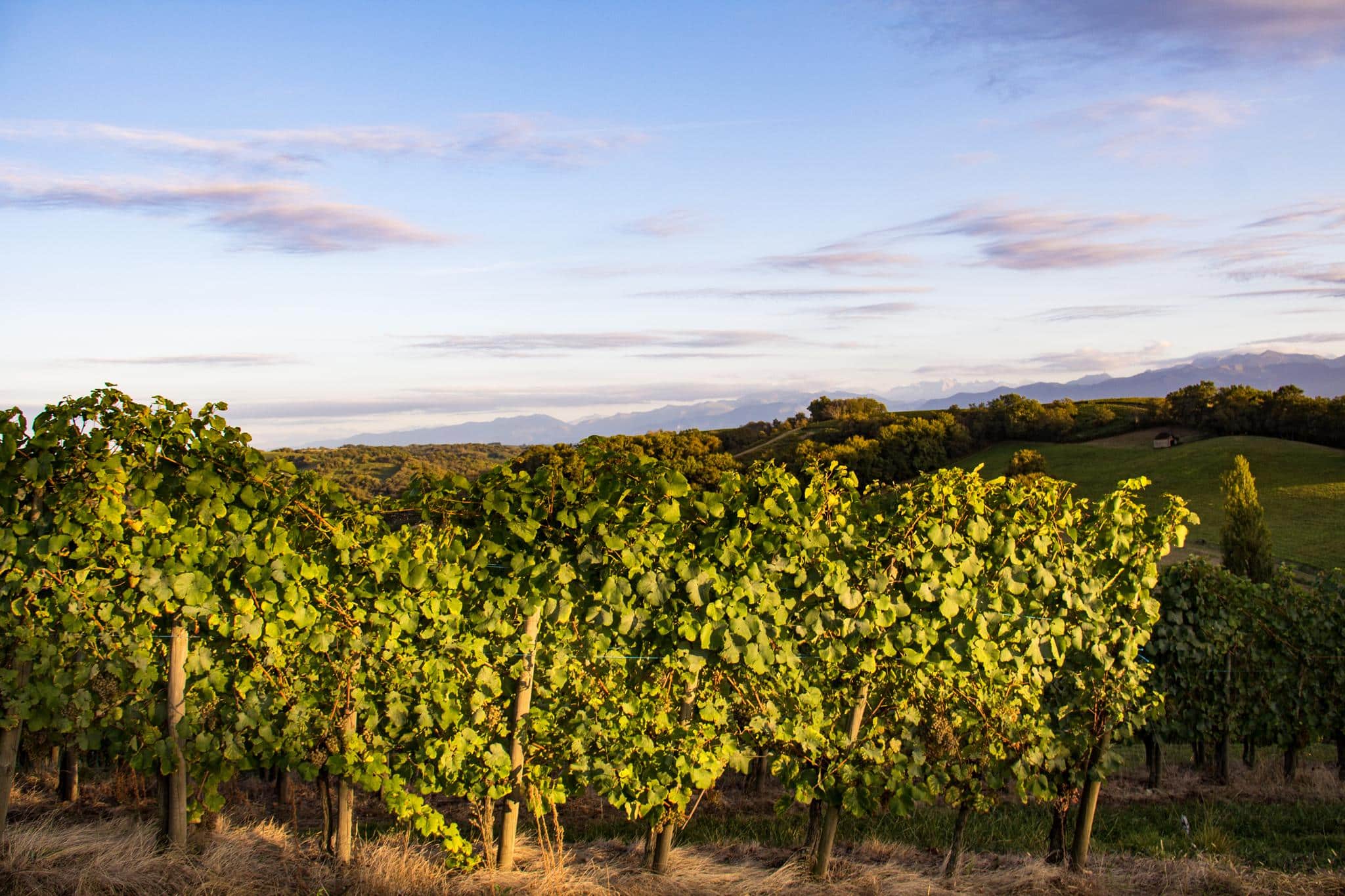
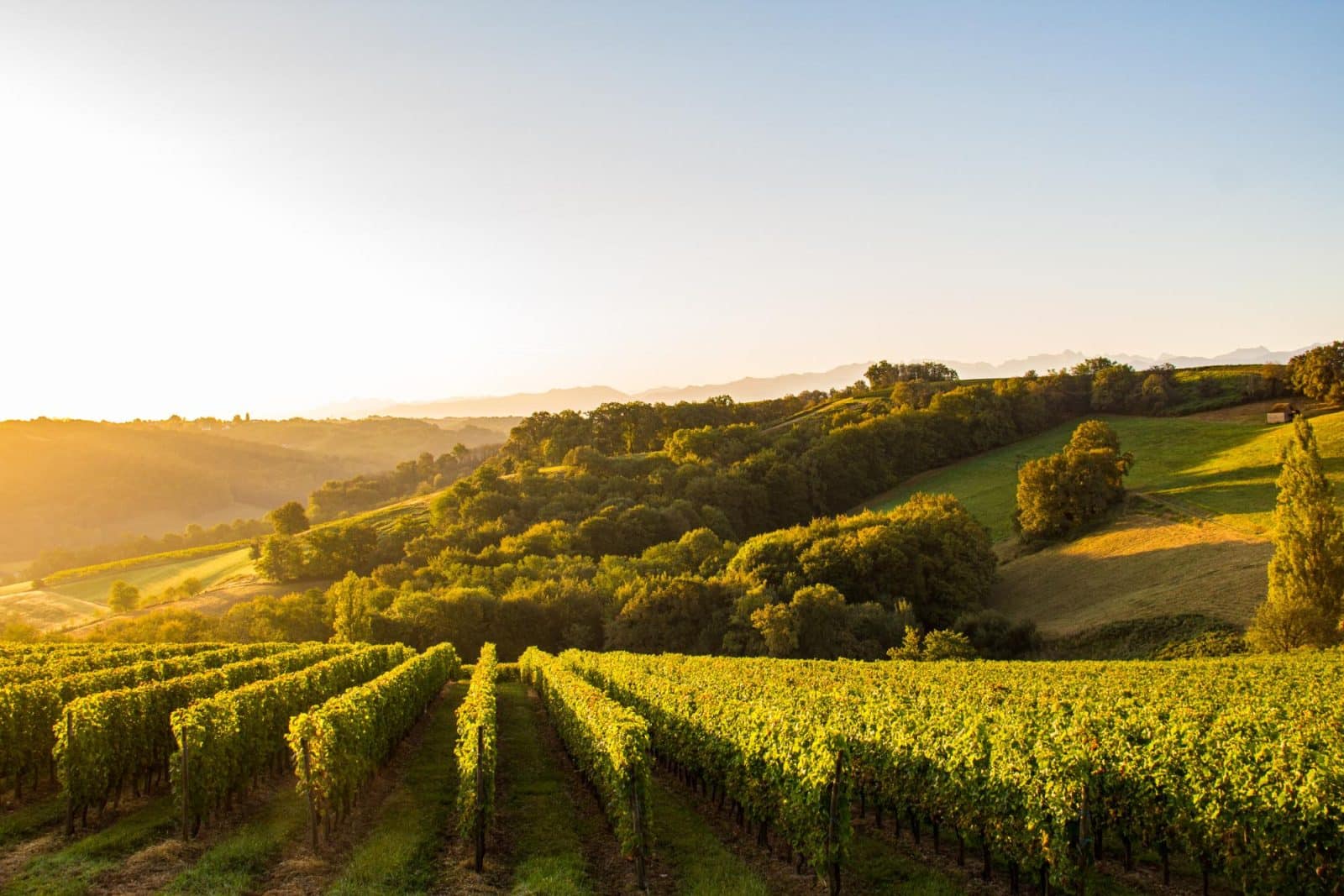
The Jurançon wine region stretches across the hillsides of Béarn between Monein, Lacommande, and Lucq-de-Béarn, in the heart of a rolling landscape offering unique panoramic views of the Pyrenees.
 ©Office de tourisme
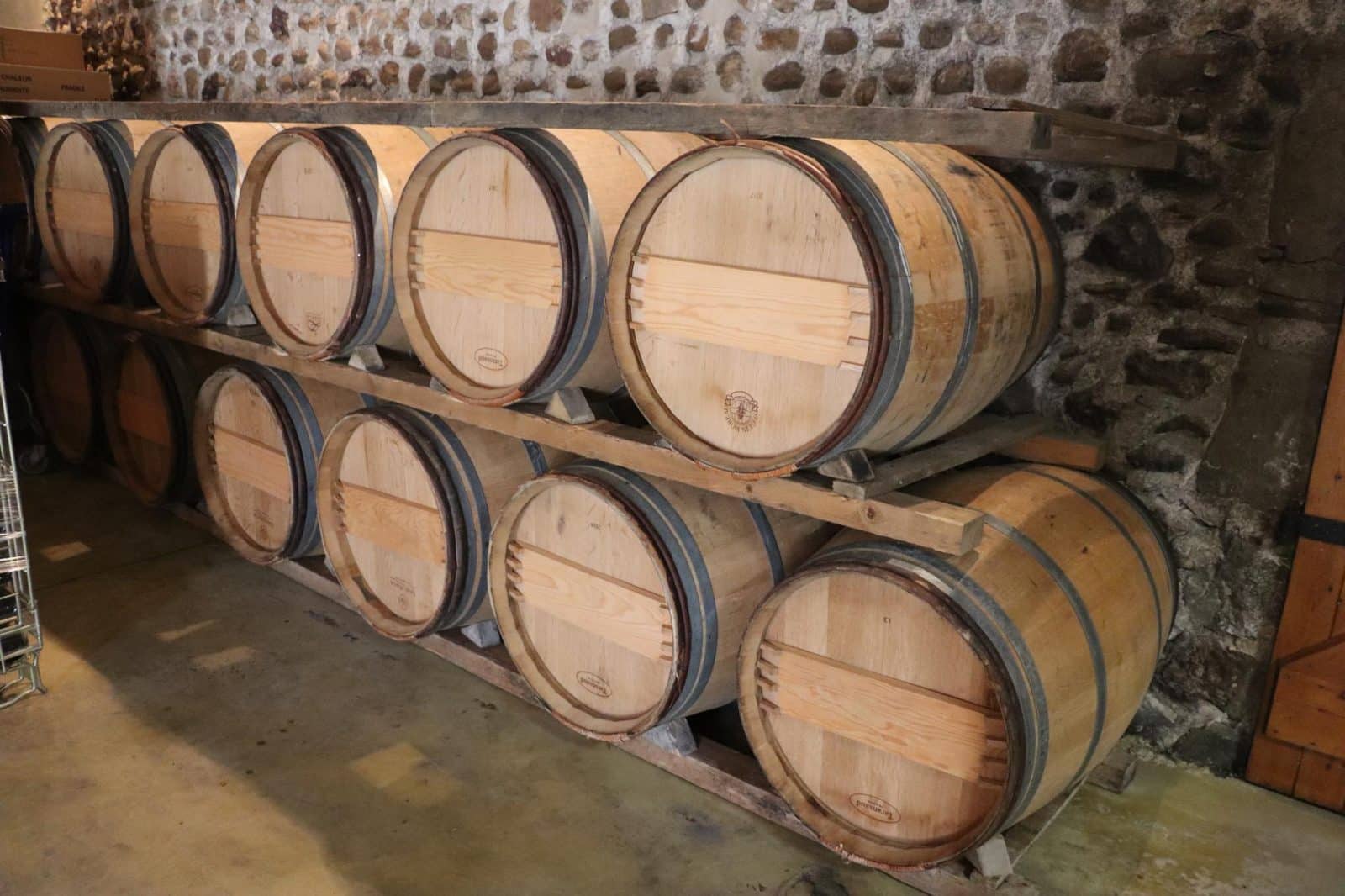
What is Jurançon wine?
Jurançon is a white wine from southwestern France that has held a Protected Designation of Origin (PDO) since 1936, the year the appellation was officially defined and regulated. Today, the vineyard covers an area of approximately 1,400 hectares spread across several municipalities, including Monein, Lacommande, and Lucq-de-Béarn. It is situated on a series of terraced hillsides facing mainly south and southwest, a location that ensures consistent sunlight throughout the year.
The vineyard plots alternate with meadows, wooded areas, and varied terrain, which shape the wine-growing landscape. The vineyards face the Pyrenees mountain range, which influences the local climate through cool air currents and significant temperature fluctuations between day and night.
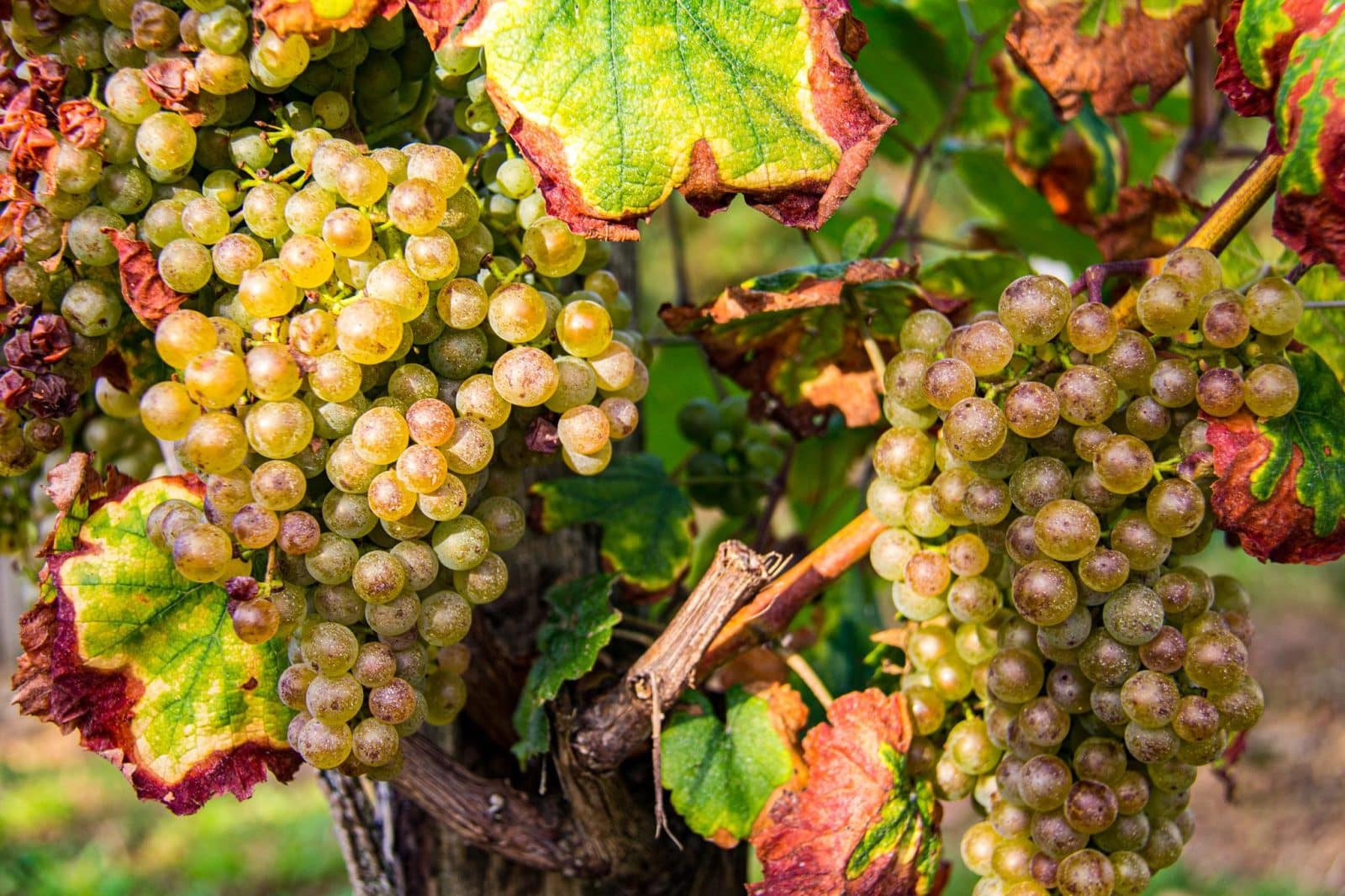
In this region, fall is often characterized by dry, sunny conditions commonly referred to as “Indian summer.” This period plays an important role in the gradual ripening of the grapes. For the production of sweet wines, these conditions facilitate “passerillage” —a natural drying process that occurs on the vine, concentrating the sugars and transforming the structure of the grapes before harvest.
The Jurançon PDO: Two Appellations to Taste
The Jurançon Protected Designation of Origin (PDO) is strictly regulated, guaranteeing the quality and authenticity of every bottle. Two appellations coexist:
- Dry Jurançon: a white wine made primarily from the Gros Manseng, Petit Manseng, or Courbu grape varieties. It is characterized by a fresh and aromatic profile, with notes often associated with citrus, white fruits, or flowers, depending on the winery and vintage. Its lively structure makes it a popular choice as an aperitif, but it also pairs well with fish, white meats, sheep’s-milk cheeses, or mildly spiced dishes. AOP registered in 1975.
- Sweet Jurançon: a white wine made primarily from the Petit Manseng and Gros Manseng grape varieties. It is characterized by a natural concentration of sugars, achieved through the “passerillage” (drying) of the grapes on the vine, and develops aromas of ripe fruit, honey, and flowers. Its smooth texture and freshness make it an ideal wine to pair with desserts, foie gras, cheeses, or certain spicy dishes. AOP registered in 1936.
What grape varieties are grown in Jurançon?
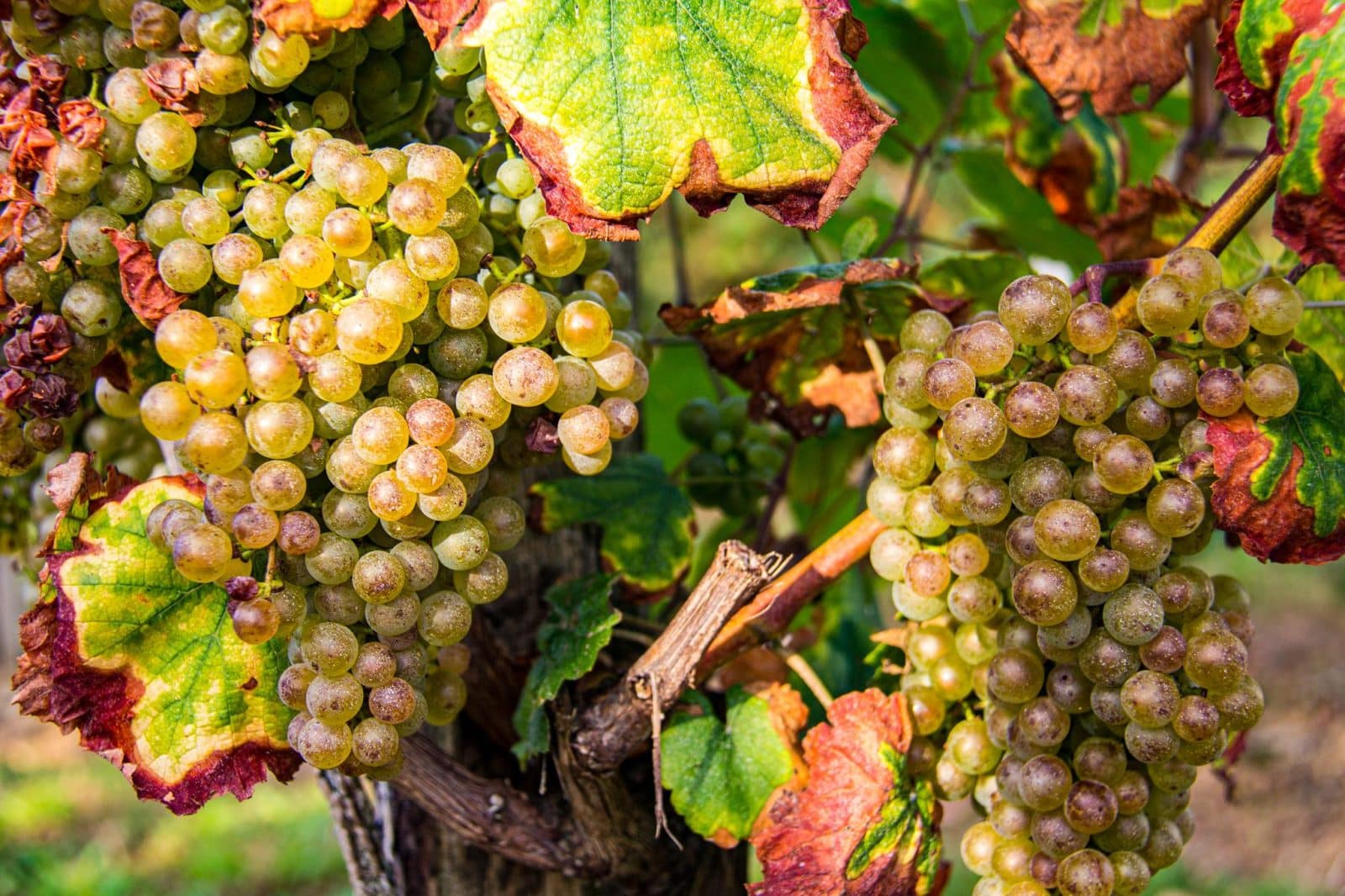
Jurançon is a blended wine produced from traditional grape varieties:
- Gros Manseng: the primary grape variety used in dry Jurançon wines and young sweet Jurançon wines. High in alcohol and acidity, it accounts for 70% of the vineyards.
- Petit Manseng: a small-berried grape variety that produces the finest sweet wines. Rich in sugar, it accounts for 25% of the vineyards.
- Courbus, Camaralets, and Lauzets: grape varieties typical of the Pyrenean vineyards. They contribute spicy flavors but account for only 5% of the vineyards.
Did you know? Legend has it that King Henry IV, a native of Béarn, was baptized with Jurançon. This wine, already popular at the time, was served on special occasions and during important ceremonies! A wine fit for a king, a baptism with character, illustrating the long-standing connection between Jurançon and local history.
The independent winemakers of the Jurançon appellation welcome you year-round to tour their estates, learn about the winemaking process, and finish with a tasting of different vintages.
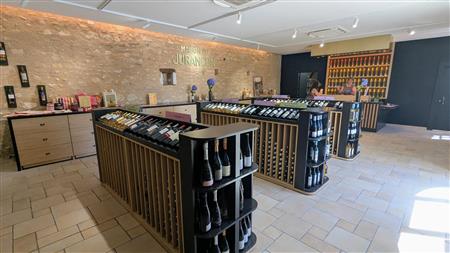
La Maison du Jurançon
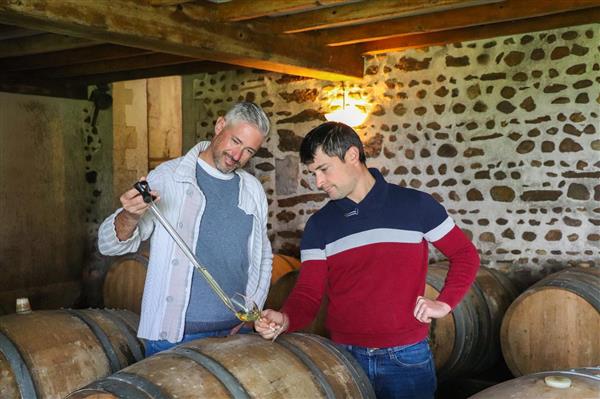
Clos Bellevue
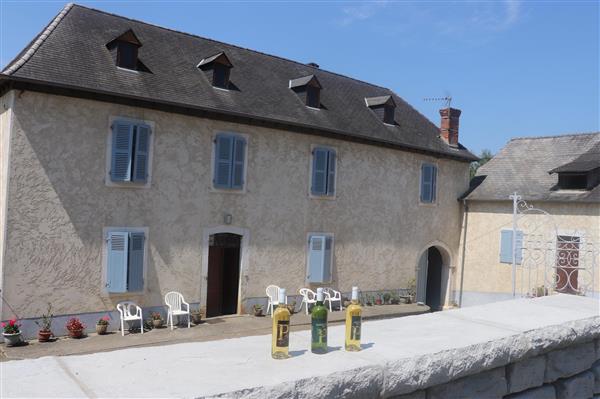
Domaine Peyrette
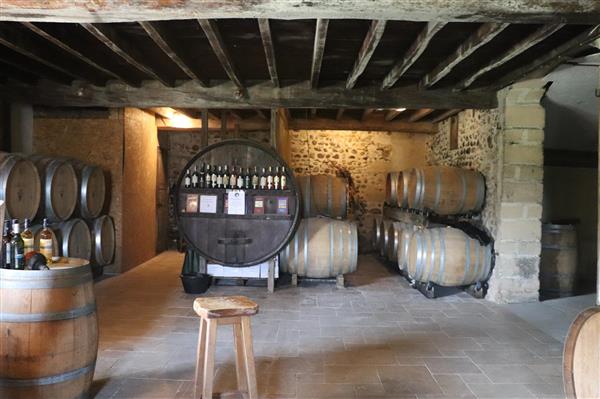
Domaine Larroudé
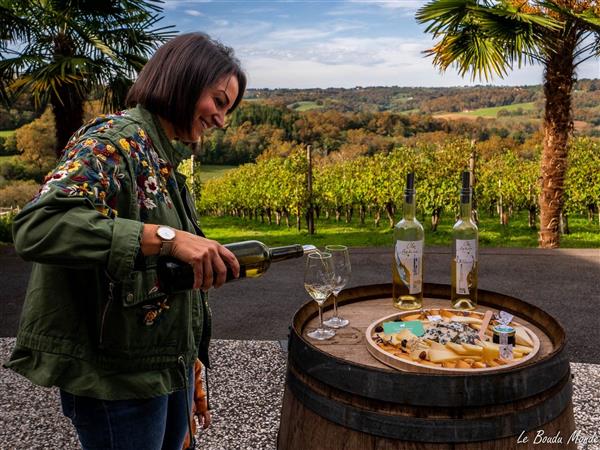
Clos Laplume
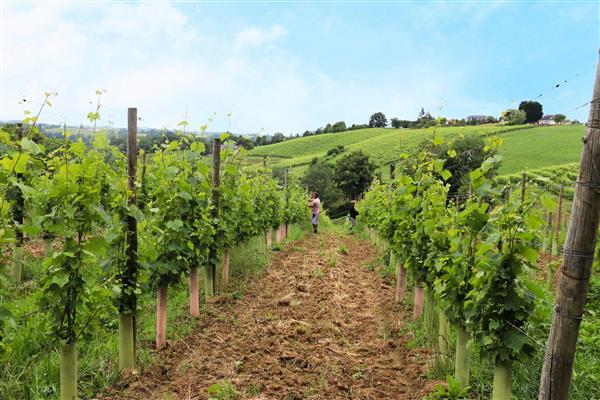
Clos Uroulat
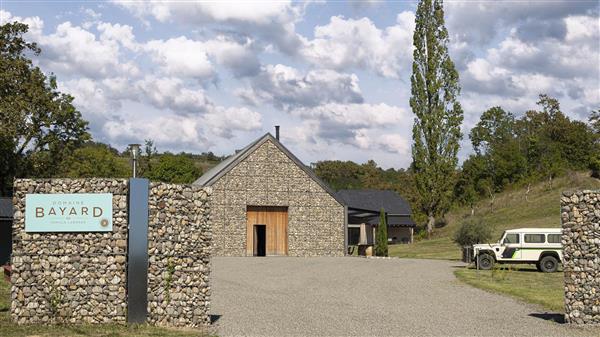
Domaine Bayard
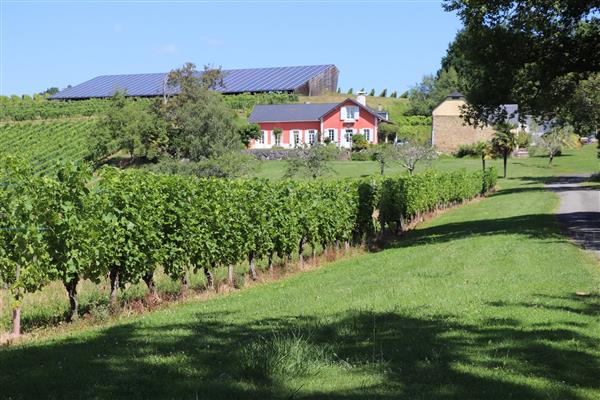
Domaine Bellegarde
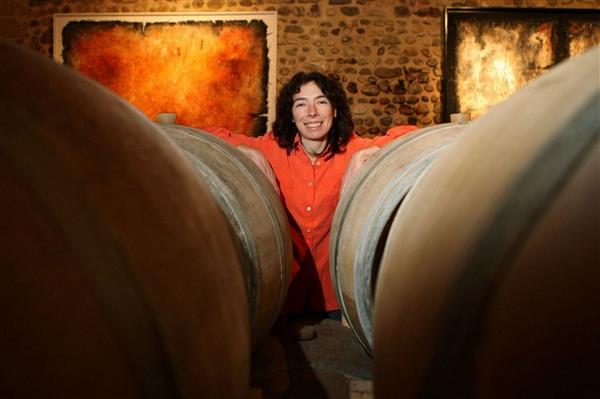
Domaine Bordenave
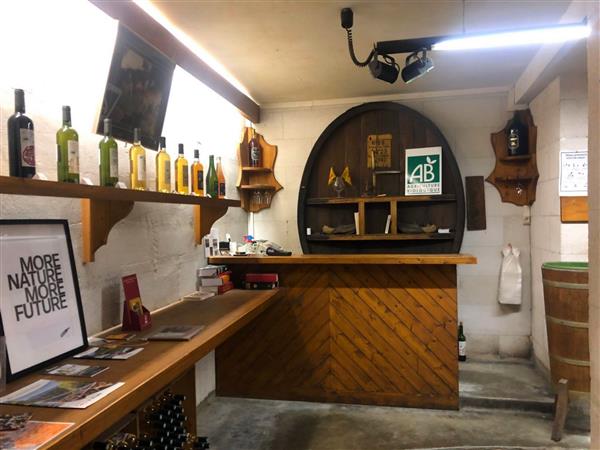
Domaine Bru-Baché
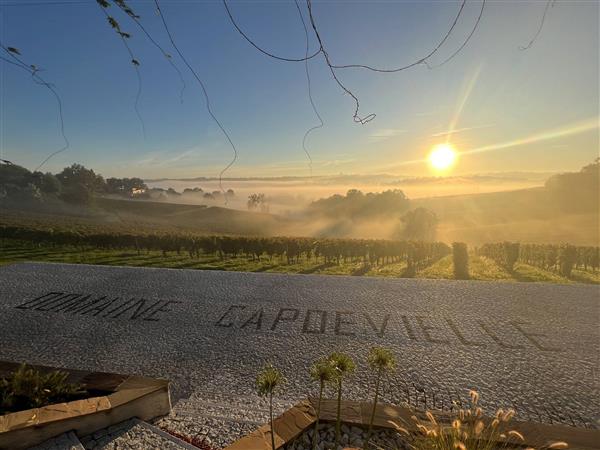
Domaine Capdevielle
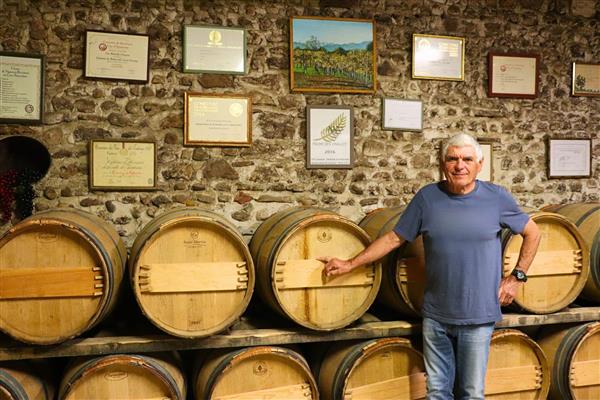
Domaine Malarrode
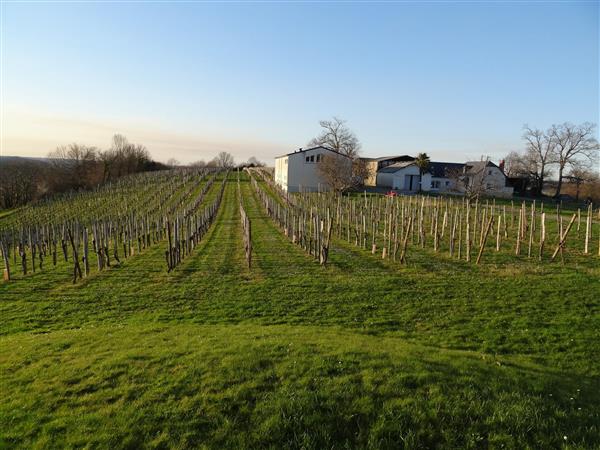
Domaine Montaut
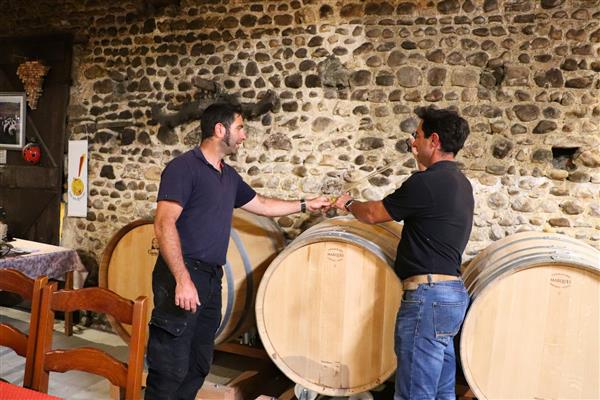
Domaine Montesquiou
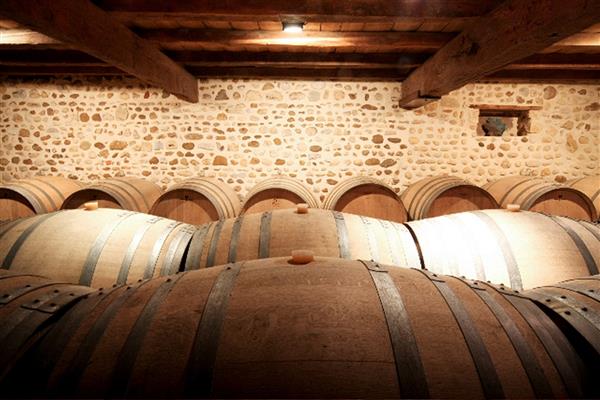
Domaine Nigri
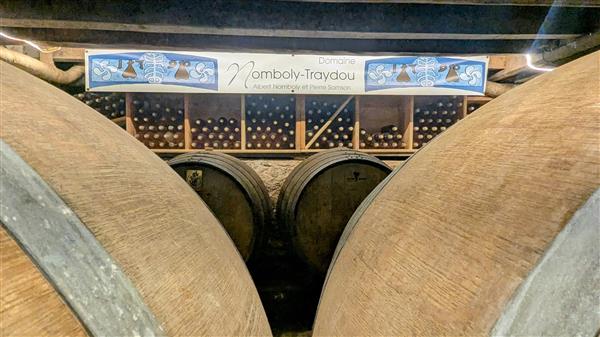
Domaine Nomboly-Traydou
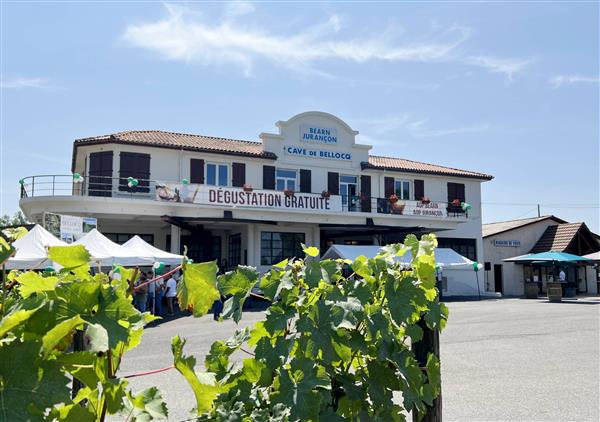
Cave de Gan Jurançon – Site de Bellocq
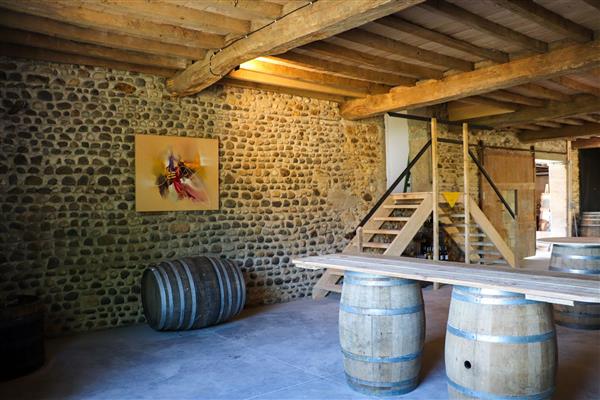
Le Dôme
The Béarn Wine Region
Red and Rosé Wines from the Southwest
Less well-known than Jurançon, the Béarn wine region is distinguished by its production of red and rosé wines with bold aromas and character. It holds a Protected Designation of Origin (AOP Béarn), which ensures the quality and origin of the wines produced in this region. The vineyards are located primarily around Orthez, Bellocq, and Salies-de-Béarn, on south-facing slopes that receive ample sunshine, ideal for ripening the grapes. Spanning approximately 250 hectares, it is nestled in the heart of a varied landscape where vineyards neighbor meadows, woods, and rivers.
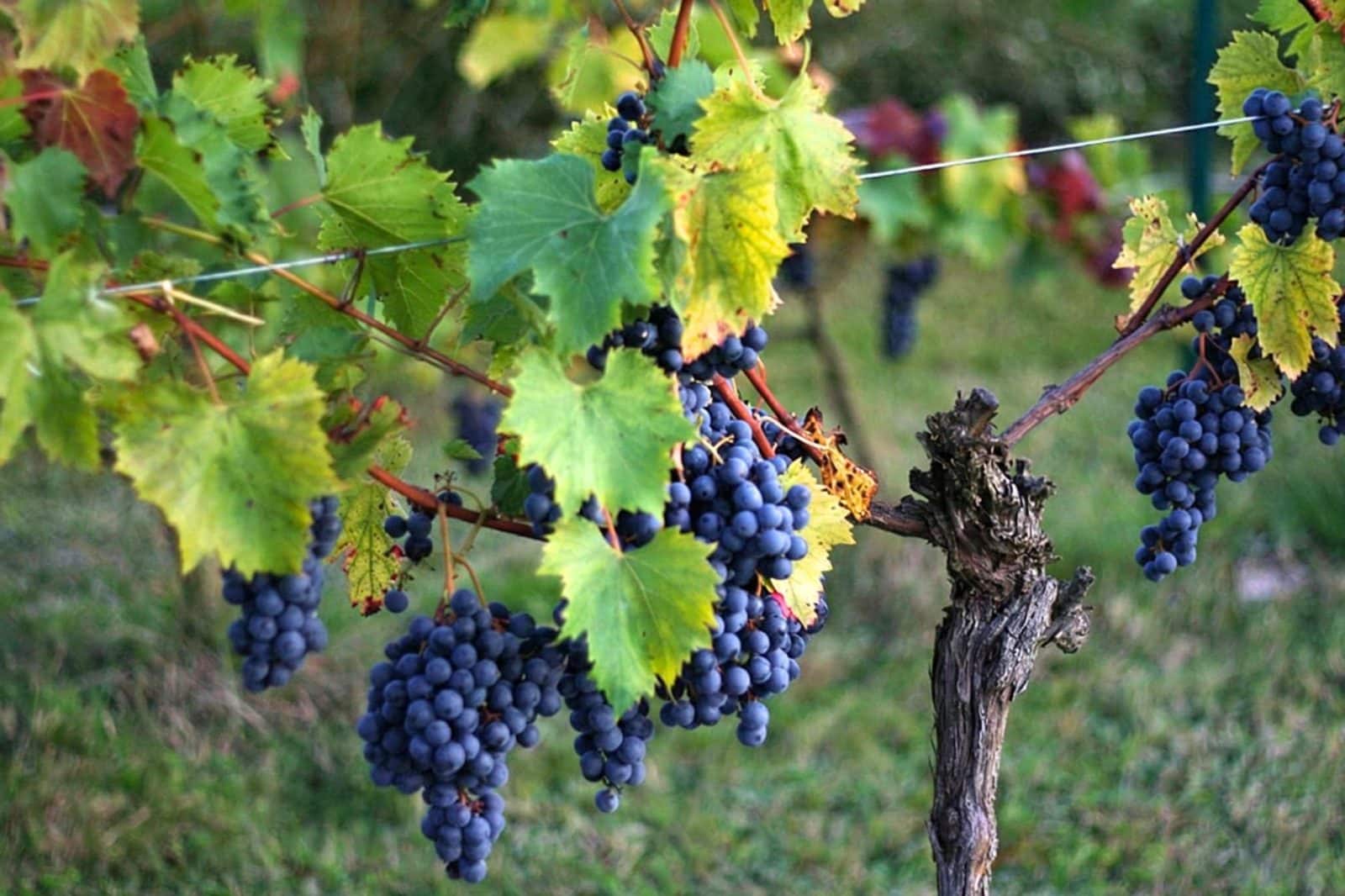
What grape varieties are used to make red and rosé wines from the Béarn region?
- Tannat: the primary grape variety for red wines, known for its robust structure and pronounced tannins.
- Cabernet Franc: an aromatic grape variety that produces wines with flavors of red and black fruits. It is often used in blends to balance out the Tannat.
- Cabernet Sauvignon: adds body, depth, and aromas of blackcurrant or ripe fruit.
- Fer Servadou ( or Braucol): used in small quantities in blends, it adds spicy and peppery notes.
The Tannat, Cabernet Franc, and Cabernet Sauvignon produce powerful yet elegant red wines from Béarn, perfect for dishes from the Southwest (duck breast, confit, game), while Béarn rosés offer a lovely freshness, ideal for summer get-togethers. Wines with character, to be discovered at the Cave de Gan Jurançon in Bellocq
Cave de Gan Jurançon – Site de Bellocq
The vineyards of Béarn Jurançon (that moistened the lips of Henri IV) rivals the best Sauternes. Madiran produces a full-bodied and hearty red wine, renowned for accompanying game. Pacherenc from Vic-Bilh is…
BELLOCQ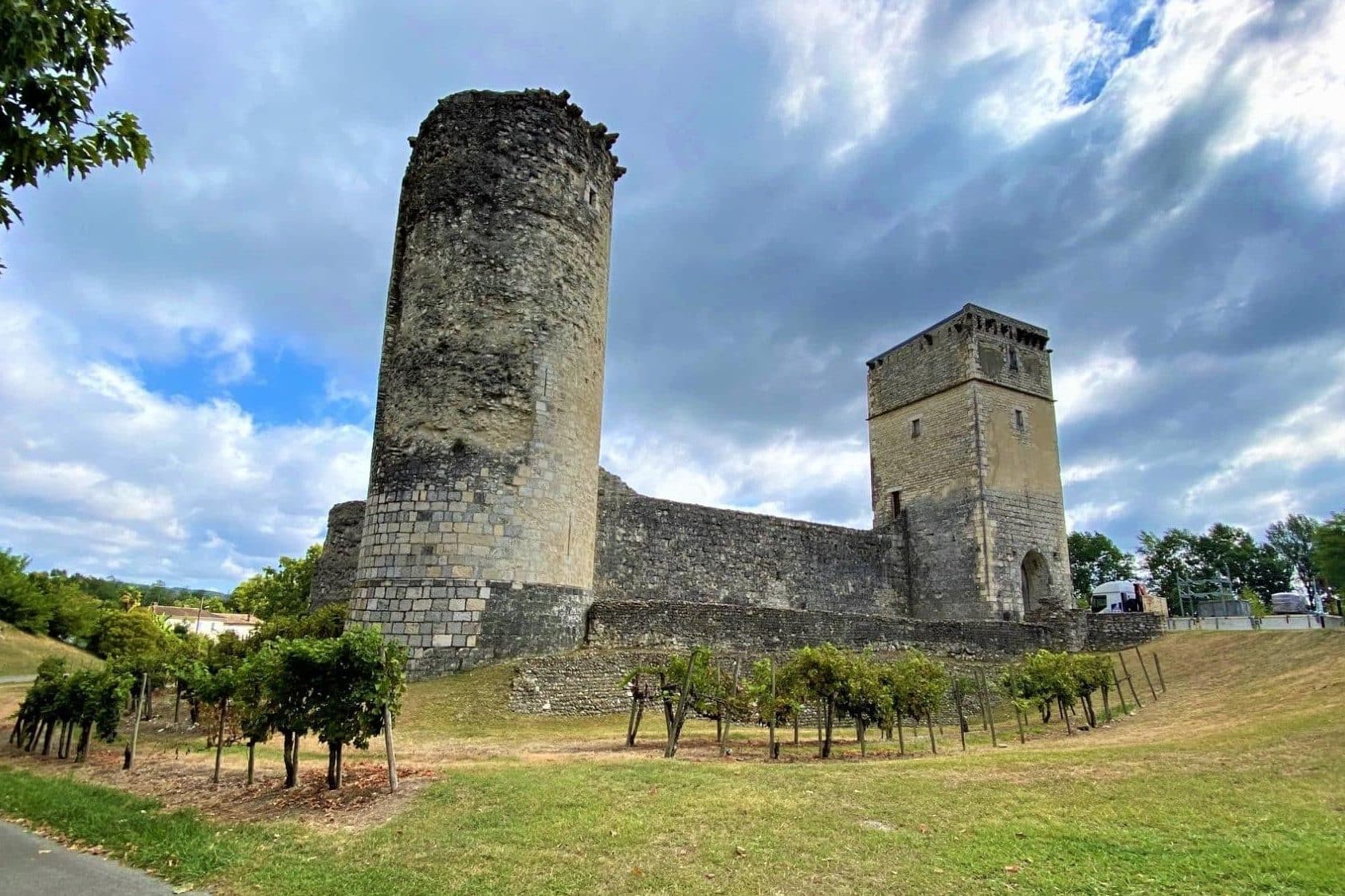
A must-try experience recommended by the tourist office
To fully enjoy the wines of Jurançon and Béarn, the tourist office recommends pairing them with simple yet representative local dishes.
| Wine Type | Taste characteristics | Food and Wine Pairings | Target Audience / Occasions |
|---|---|---|---|
| Dry Jurançon | A fresh and aromatic white wine from the Southwest, with notes of citrus, white fruits, and flowers, and pronounced acidity | Grilled fish, seafood, poultry, fresh sheep’s milk cheeses | Ideal for lovers of dry white wines; enjoy as an aperitif or with light meals |
| Sweet Jurançon | A sweet white wine from Béarn, high in sugar, with aromas of ripe fruit, honey, and flowers, and a round, smooth texture | Foie gras, fruit or chocolate desserts, lightly spiced dishes | For lovers of sweet, aromatic wines—perfect for desserts and festive occasions |
| Béarn | Red and rosé wines from Béarn: full-bodied and fruity, with pronounced tannins in the reds and spicy and fruity notes | Red meats, grilled meats, dishes with sauce, cured meats, aged cheeses | Perfect for lovers of full-bodied red wines or fruity rosés, to be enjoyed with a meal or during social gatherings |
Dry Jurançon, with its lively and aromatic character, pairs perfectly with grilled fish or fish in sauce, seafood, poultry, and certain fresh sheep’s-milk cheeses.
Sweet Jurançon, which is smoother, pairs well with foie gras, fruit- or chocolate-based desserts, and mildly spiced dishes.
The red and rosé wines of Béarn, which are full-bodied and fruity, pair well with red or grilled meats, dishes served with sauce, local charcuterie, and aged cheeses. These pairings bring out the unique aromas of each wine and highlight the rich culinary traditions of Béarn and Jurançon.
FAQ – Jurançon Appellations and Grape Varieties
Which Jurançon vineyards are open to visitors?
The Jurançon AOP includes more than 60 independent winemakers, about 30 of whom are based in the town of Monein. They welcome you for a tour and tasting at their estates year-round by appointment.
Where can you buy Jurançon and Béarn wine?
You can buy Jurançon directly from the winemaker or at the Maison des vins du Jurançon in Lacommande, the showcase for independent winemakers. The Cave de Gan-Jurançon in Bellocq sells wines from Béarn and Jurançon.
Are there any wine-related events in the Béarn region?
Two must-attend events in the Jurançon wine region: the Jurançon Open House, held every year on thesecond Sunday in December, and the famous Jurançon wine tasting at the Monein Festival on thefirst Sunday in August.
The Gan-Jurançon winery in Bellocq also hosts an Open House every summer.