
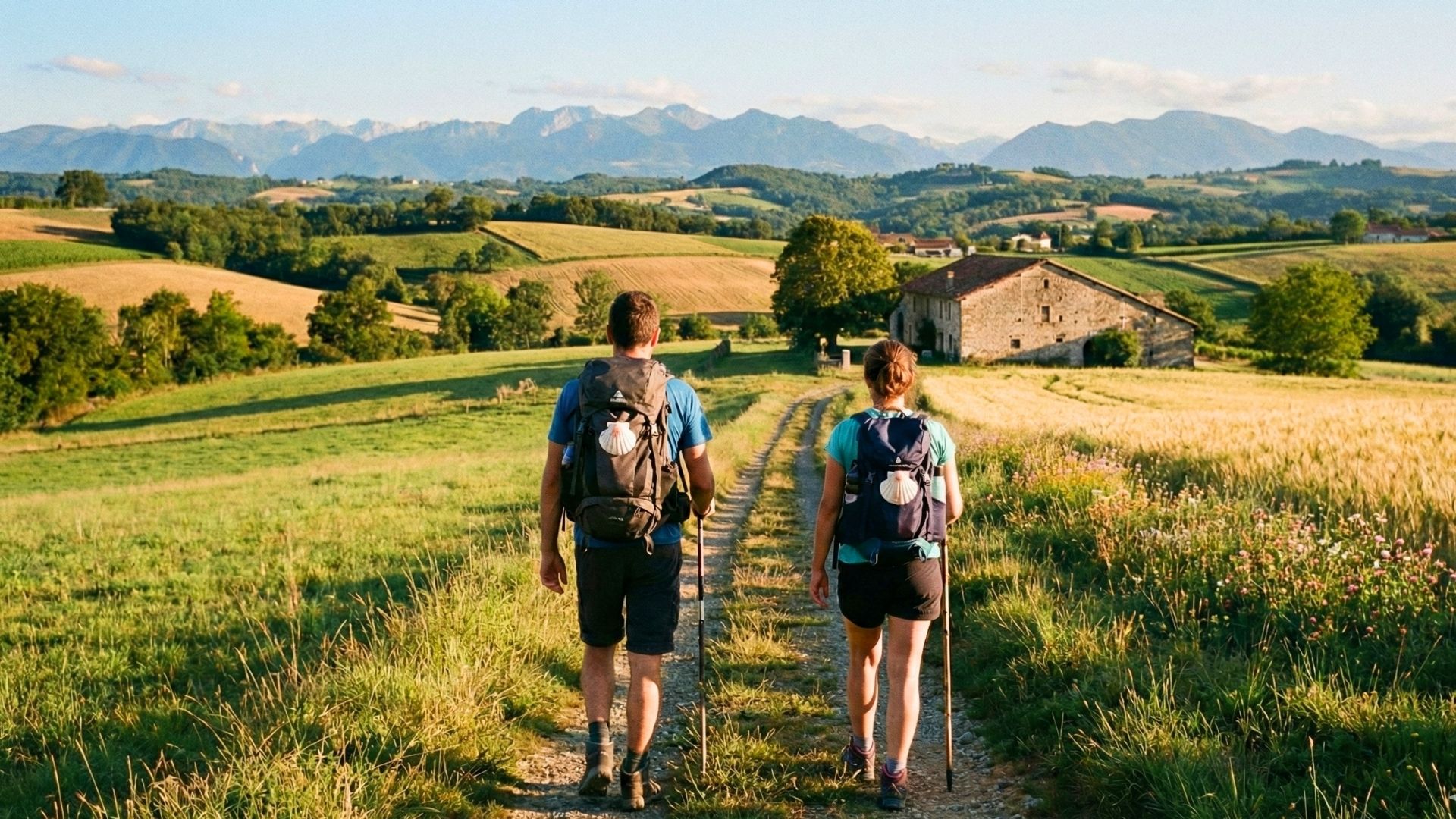
At the crossroads of the major pilgrimage routes to Santiago de Compostela, the Heart of Béarn is traversed by three iconic routes leading to Santiago de Compostela: the Vézelay Route, the Puy-en-Velay Route, and the Arles Route. With its well-preserved heritage, spirituality, rolling landscapes, and villages steeped in history, the Heart of Béarn offers a journey rich in meaning, emotion, and encounters.
The Three Pilgrimage Routes in the Heart of Béarn
The Vézelay Trail (GR654)
The Vézelay Trail, a UNESCO World Heritage Site, crosses the Heart of Béarn, connecting Sault-de-Navailles, Sallespisse, Orthez, and Lanneplaà. This historic route follows in the footsteps of pilgrims from northern France and Central Europe. Starting in Chalosse and winding through fields and hillsides, the trail offers magnificent panoramic views of the Béarn countryside and leads to Orthez, a medieval town with a rich heritage. A true crossroads of cultures, this Way of St. James allows travelers to discover authentic villages, their Romanesque churches, and monuments steeped in history. In Orthez, pilgrims have always crossed the Pont-Vieux to continue their journey toward Saint-Jean-Pied-de-Port. Even today, walking this route means immersing yourself in a living heritage where tradition and spirituality converge.
The Puy-en-Velay Trail (GR65)
One of the most populartrails in Europe,the Puy-en-Velay Trail (GR65) also passes through the Heart of Béarn. It winds through Castillon-d’Arthez, Arthez-de-Béarn, Argagnon, Maslacq, and Sauvelade, before continuing on to Navarrenx, Saint-Jean-Pied-de-Port, and reaching the Pyrenees.
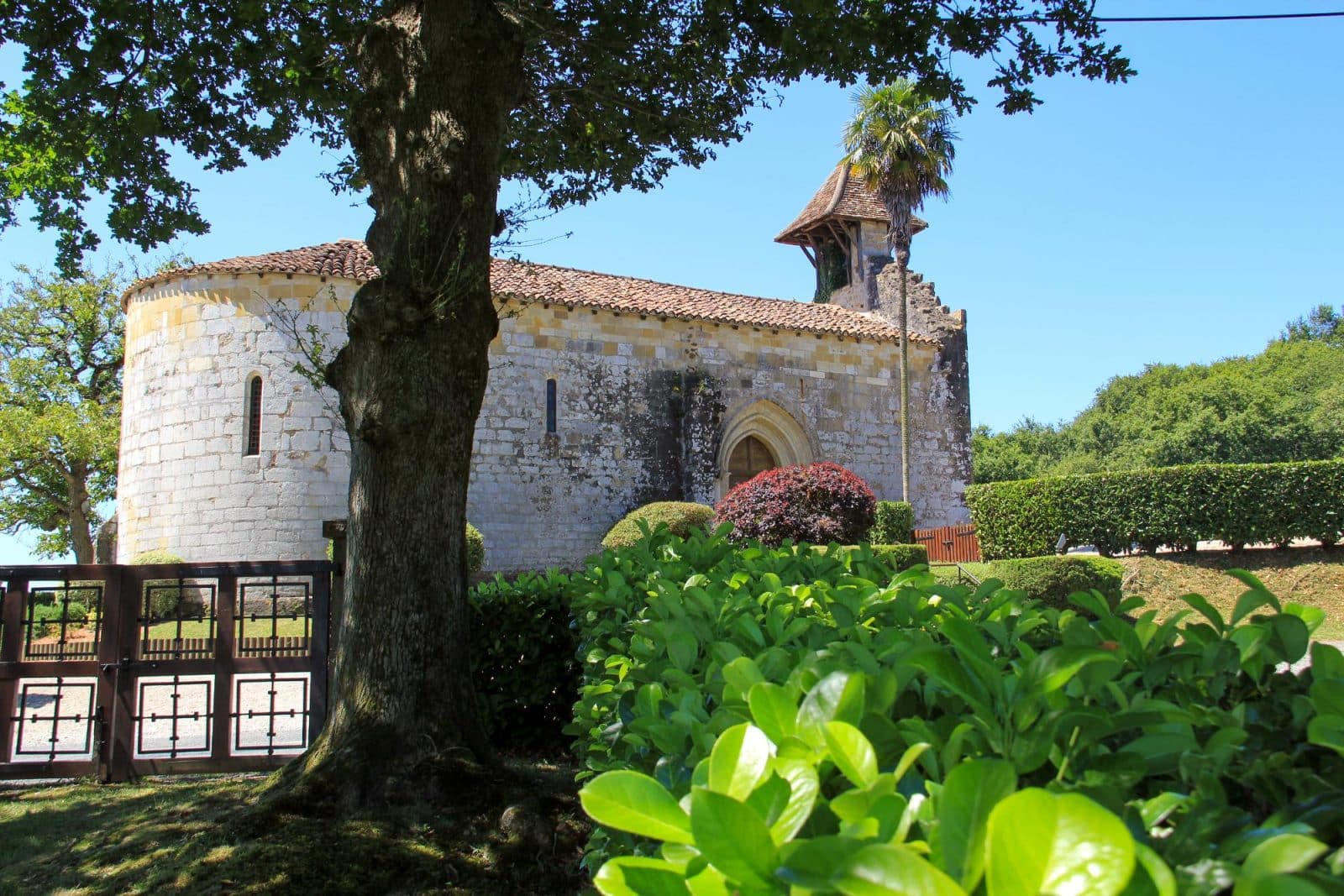
Arthez-de-Béarn is a highlight of the route, with its religious heritage and a trail connecting three chapels, including the Chapel of Caubin, a stopover for pilgrims.
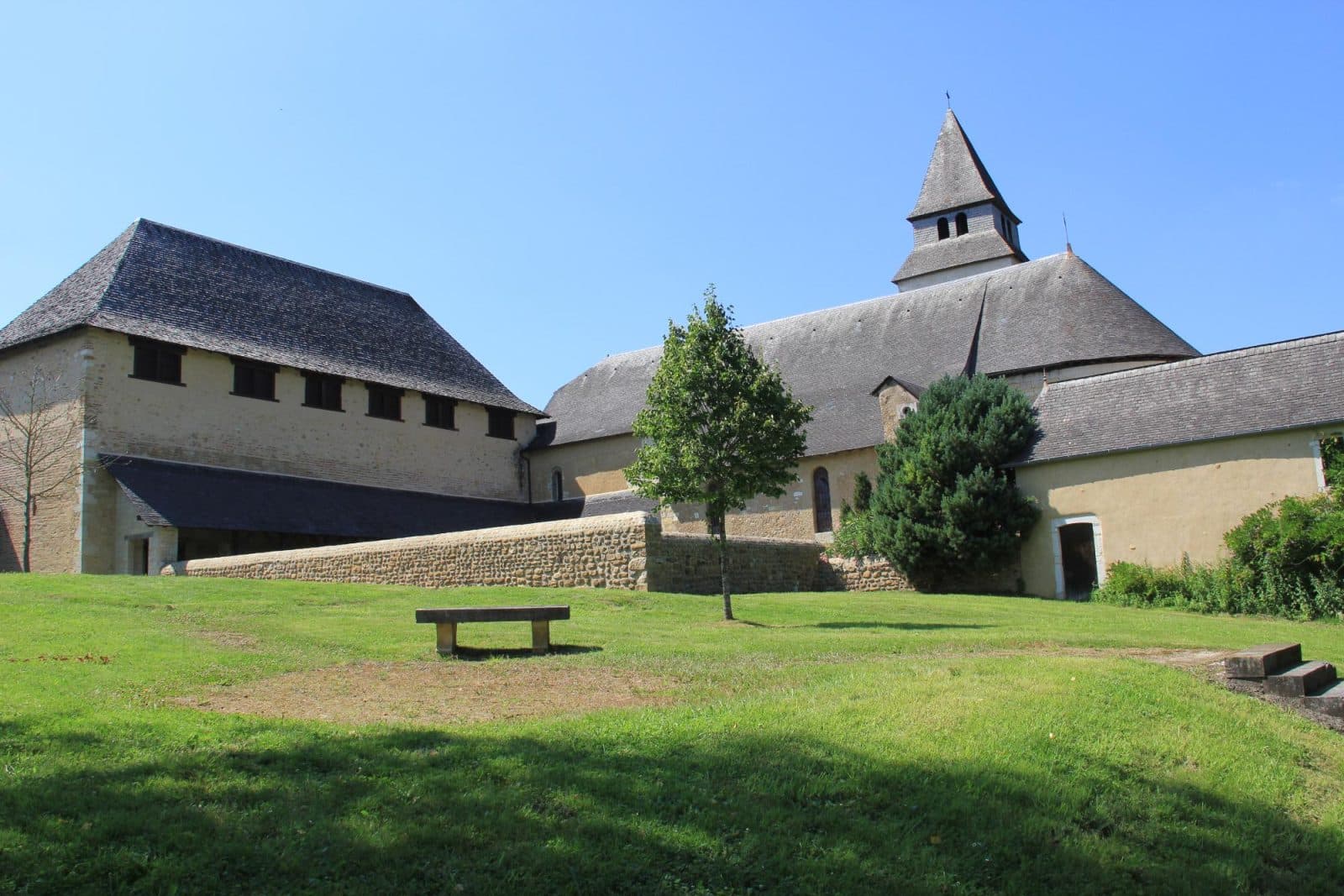
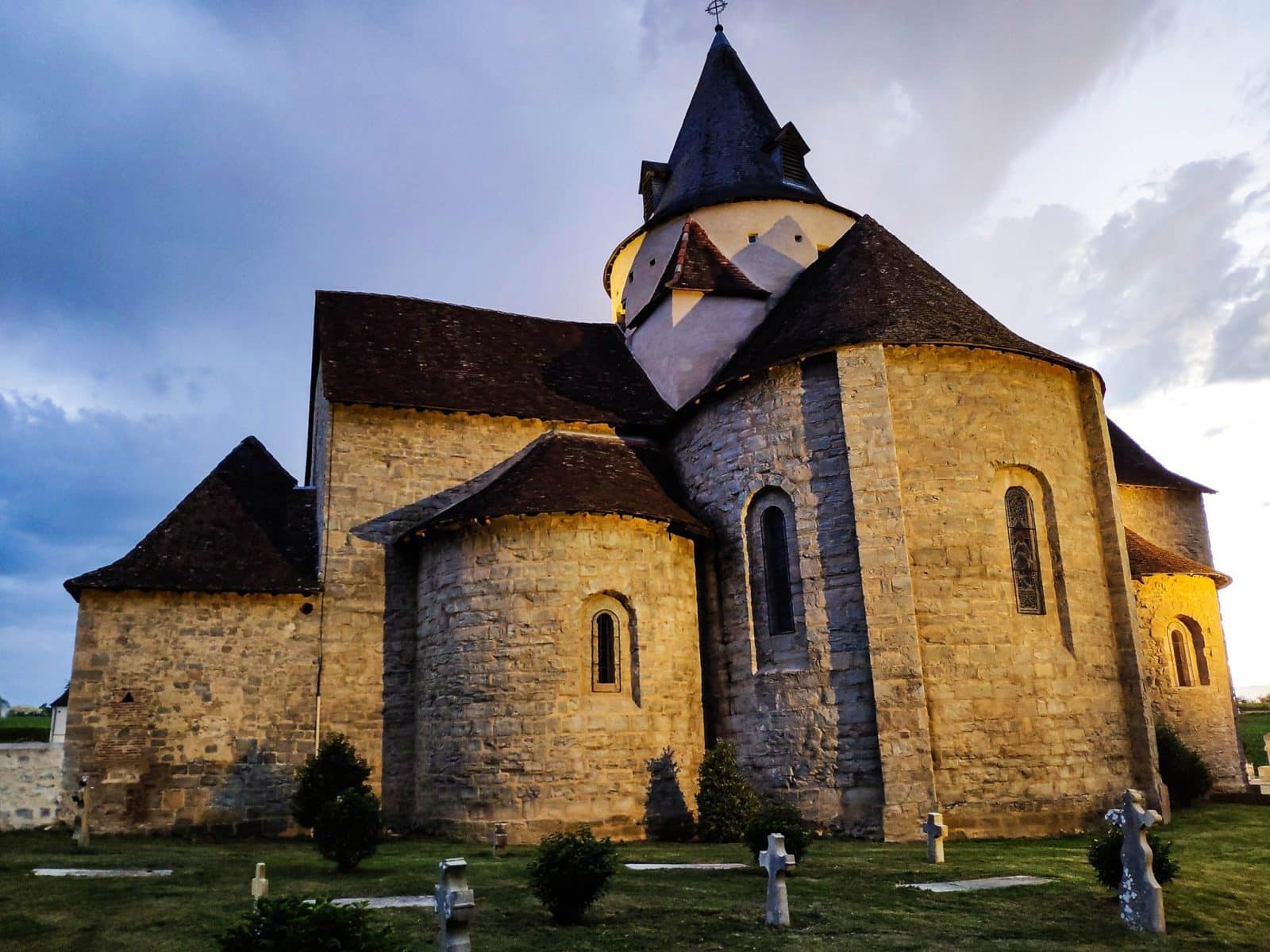
Further on, the leg from Sauvelade evokes the spiritual power of the Cistercian monks who founded an abbey there in the 12th century. Its abbey church, built in 1286, is distinguished by its Greek cross plan and its dome, powerful symbols of monastic architecture. Today, Sauvelade remains a memorable stop for walkers seeking spirituality and history along the Way of St. James.
The Arles Route (GR653)
The Arles Trail, also known as the Via Tolosana, once connected pilgrims from Italy and Provence to Santiago de Compostela.
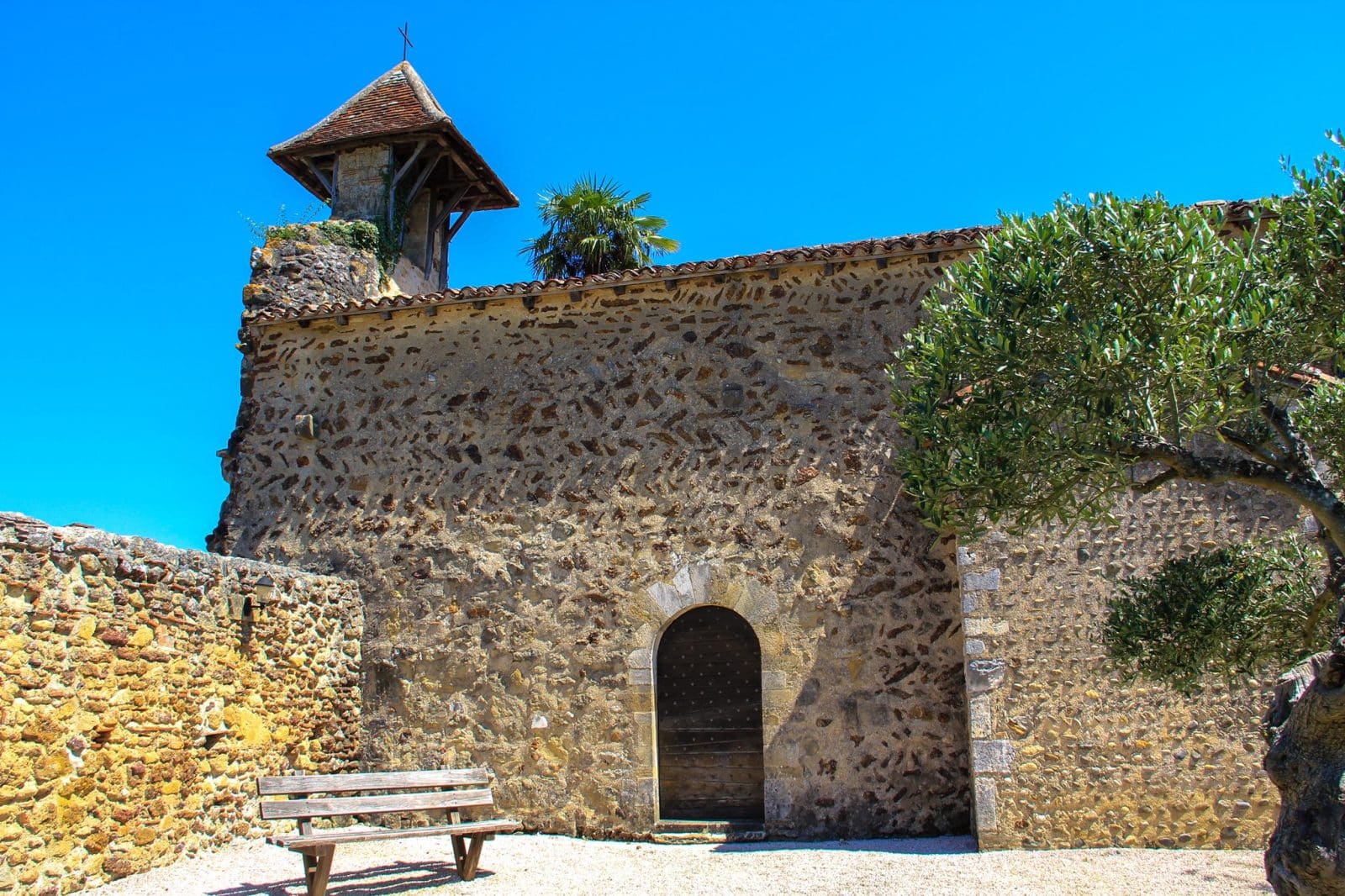
In the heart of Béarn, it passes through Lacommande, an iconic site marked by the presence of a former Hospitaller commandery. This remarkable complex includesthe Church of Saint-Blaise, a Romanesque gem, and the Commanderie, a hospital that once served as a resting place for travelers. A true spiritual and cultural crossroads, Lacommande bears witness to the essential role of religious orders in welcoming pilgrims. The Arles Trail captivates visitors as much with its architectural heritage as with its rolling vineyard landscapes, typical of the Béarn region—you’re right in the heart of the Jurançon wine region. It is both a cultural and spiritual journey, offering hikers an immersion in medieval history and the warm hospitality of the Béarn region.
Must-See Sites Recommended by the Tourist Office
To enrich your experience on the Camino de Santiago, here are the places our team especially recommends:
- Orthez
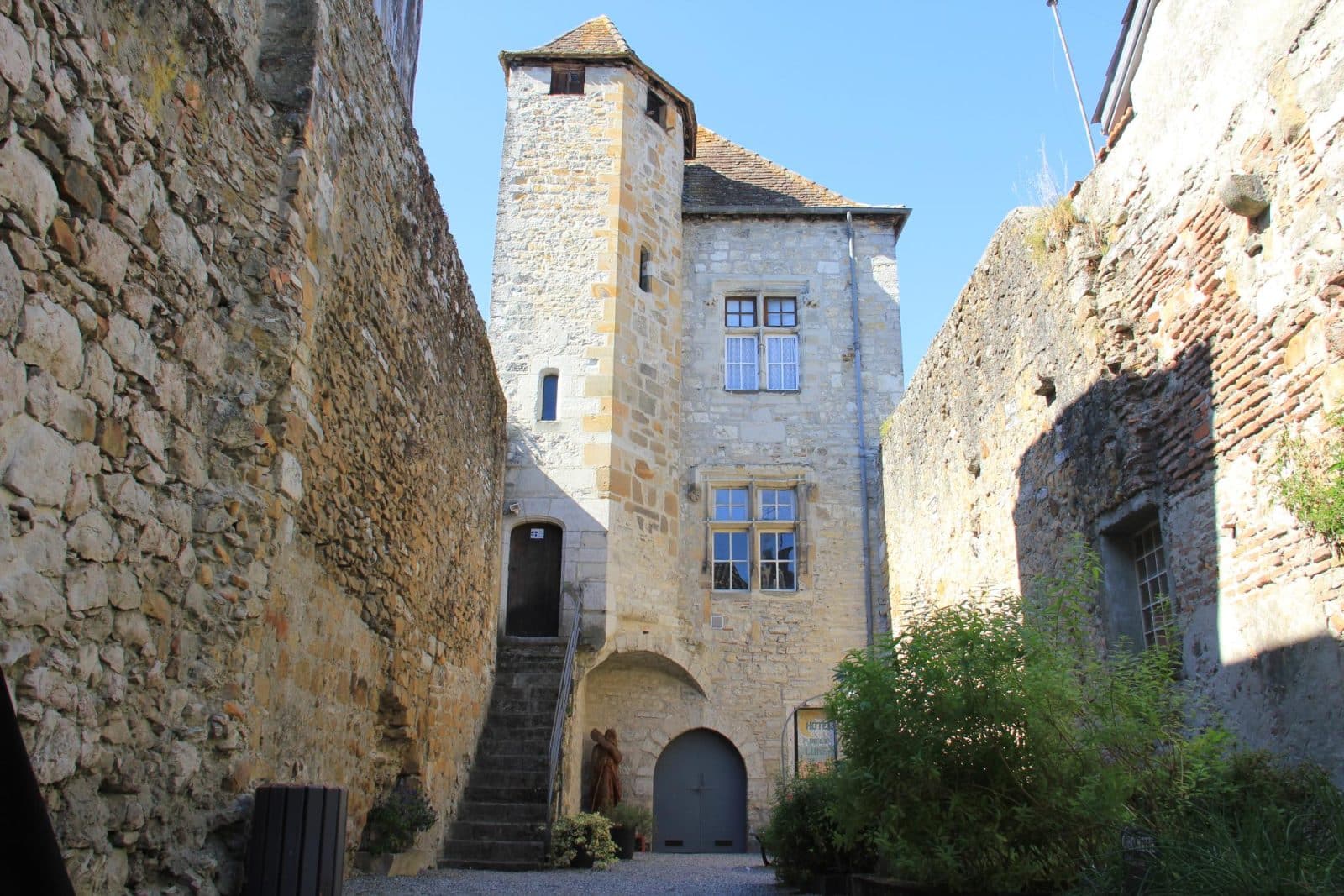
Take a stroll through the old town, from the Château Moncade to the Pont-Vieux, an iconic crossing point for pilgrims since the 11th century. At 14 Rue de l’Horloge, the Tourist Office recommends stopping by theHôtel de la Lune, dating from the 13th and 14th centuries and renovated in the 15th century, which serves as a stopover lodge for pilgrims. - Arthez-de-Béarn
Take the “Three Chapels” trail connecting Romanesque churches nestled between plains and hillsides, including the Caubin Chapel, a must-see stop for hikers. - Sauvelade
Admire the abbey church built in 1286, with its unique Greek cross layout, its dome—a rarity in Béarn—and its Campan marble font, a remnant of a Roman villa. - Lacommande
Discover the former Hospitaller commandery, one of the few still standing, along withthe Church of Saint-Blaise and its hospital, which once welcomed pilgrims seeking rest.
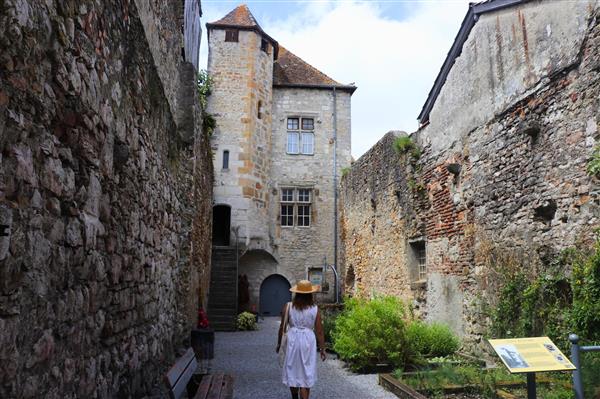
Hôtel de la Lune
At 14 rue de l?Horloge, discover the Hôtel de la Lune, dating from the 13th and 14th centuries, refurbished in the 15th century as a stopover for pilgrims.
ORTHEZ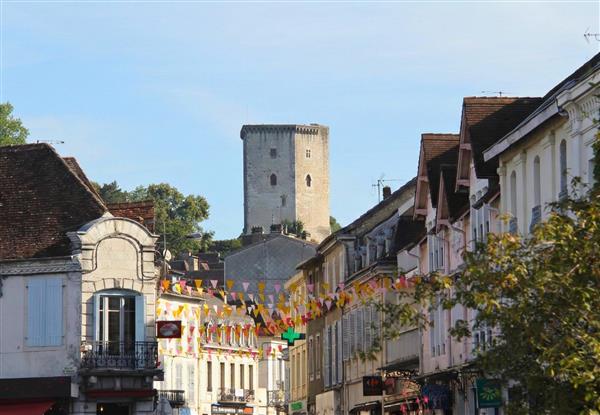
Le Château Moncade
The Château Moncade overlooks Orthez and the Gave de Pau valley, offering a panoramic view of the old town and the Pyrenees. It was for 2 centuries the residence of the Viscounts…
ORTHEZ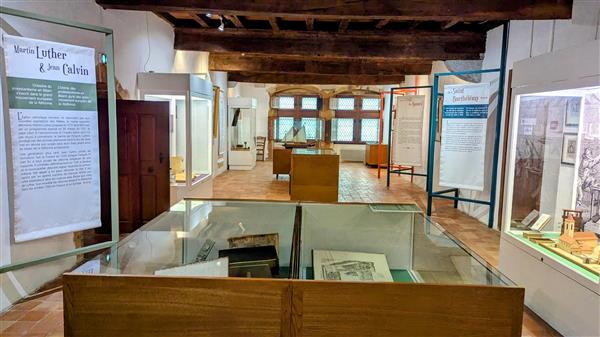
Musée Jeanne d’Albret
Within the prestigious setting of the Maison Jeanne d’Albret (16th century), the museum invites you to discover 4 centuries of Bearn history, the origins of the Reform until the start of the…
ORTHEZ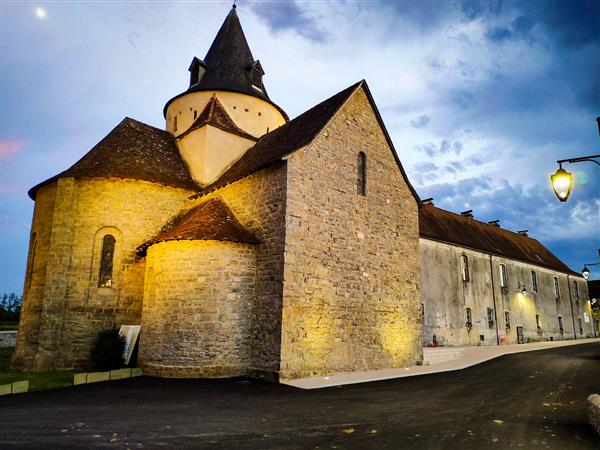
Visitez Sauvelade : L’église St Jacques le Majeur
Sauvelade is situated in the centre of the region Le Larbaigt which means the valley of the river Laà. Situated on the way to Santiago de Compostela on the via Podensis (the…
SAUVELADE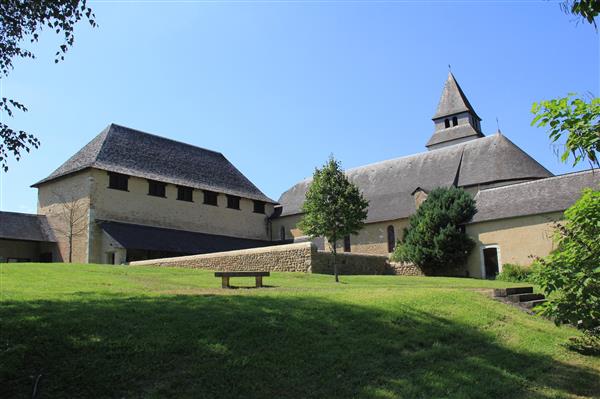
La Commanderie de Lacommande
Founded between 1100 and 1124, the Commanderie was deemed a main piece of the hospital network, put in place by Gaston IV the Croise during the conquest of the Saragosse on the…
LACOMMANDE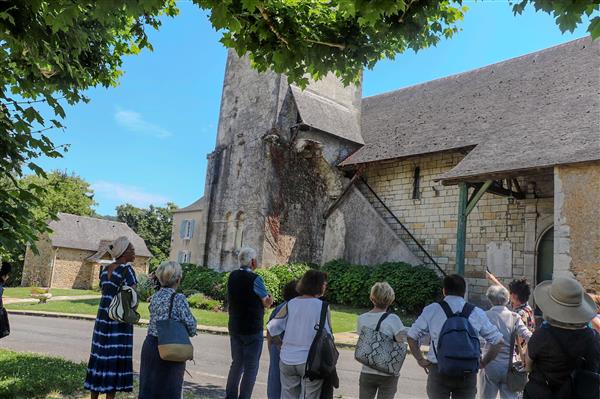
Visitez Lacommande : son histoire et sa Commanderie
Built in the 12th century by Gaston IV le Croisé, this hospital complex served as a refuge for pilgrims on the Chemin de Compostelle between Lescar and Oloron-Sainte-Marie. Today, the church and…
LACOMMANDE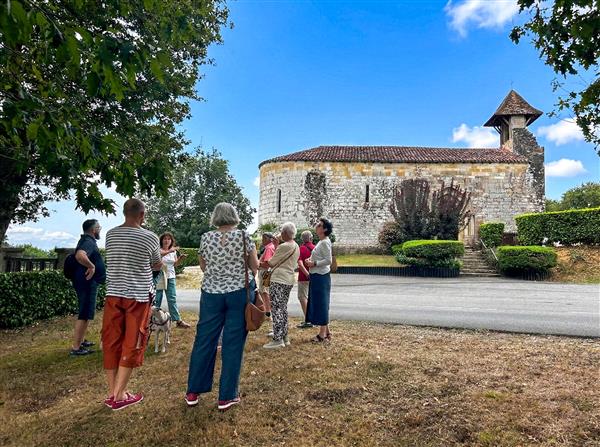
Visitez la chapelle de Caubin d’Arthez de Béarn
In Arthez de Béarn, a village of character at the top of the Béarn hillsides, the Chapel of Caubin is a high place of passage for pilgrims on their way to the…
ARTHEZ-DE-BEARNAccommodations for Pilgrims in the Heart of Béarn
The Cœur de Béarn offers a wide variety of accommodations suited for pilgrims on the Way of St. James: stopover lodgings, bed-and-breakfasts, pilgrim hostels, campgrounds, and accommodations certified by Accueil Vélo.
Located near or along the trails, these accommodations allow you to rest comfortably and connect with other pilgrims. Most offer helpful services: meals, laundry facilities, packed-lunch preparation, bike storage, and advice on the next stages of the journey.
Some accommodations are located in places steeped in history, offering a unique immersion in the world of the Way of St. James.
The Tourist Office’s Expert Recommendation
To help you plan your pilgrimage to the Heart of Béarn, here are our tips:
- Choose your route based on your skill level, your interests, and the time you have available.
- Plan your stops, taking into account the terrain, distances, and points of interest.
- Book your accommodations (when possible), especially during peak season, to avoid any unexpected issues.
- Be sure to pick up the Miam-Miam Dodo guide, the go-to resource for planning your itinerary.
- Stop by the Tourist Office in Orthez to get your credencial stamped during your stopover.
Walking the Camino de Santiago trails in the Heart of Béarn means choosing an authentic, peaceful experience full of discoveries.
The Way of St. James Routes in the Heart of Béarn
| The Way of St. James | Villages along the route in the Heart of Béarn | Highlights |
|---|---|---|
| Vézelay Route (GR654) | Sault-de-Navailles, Sallespisse, Orthez, Lanneplaà | Medieval heritage, rolling landscapes, passing through Orthez |
| Puy-en-Velay Trail (GR65) | Castillon-d’Arthez, Arthez-de-Béarn, Argagnon, Maslacq, Sauvelade | Romanesque chapel in Arthez-de-Béarn, Cistercian Abbey of Sauvelade |
| Arles Trail (GR653) | Lacommande | Lacommande Commandery, Jurançon vineyard. |
Frequently Asked Questions About Santiago de Compostela
When is the best time to hike the Camino de Santiago routes in the Heart of Béarn?
From March through October, with the highest number of visitors in the spring and summer.
Are the trails well marked?
Yes, the GR654, GR65, and GR653 are clearly marked (red and white) with St. James pilgrimage signs.
Do you need a credencial?
Yes, it grants access to the pilgrim lodgings along the Santiago de Compostela route and allows you to collect stamps.
Is this suitable for beginners?
Yes, as long as you plan your route carefully and adjust the distances to your skill level.
Where can I find maps and hiking guides?
On specialized websites such as https://chemindecompostelle.com/ or by purchasing the Miam-Miam Dodo at a bookstore.