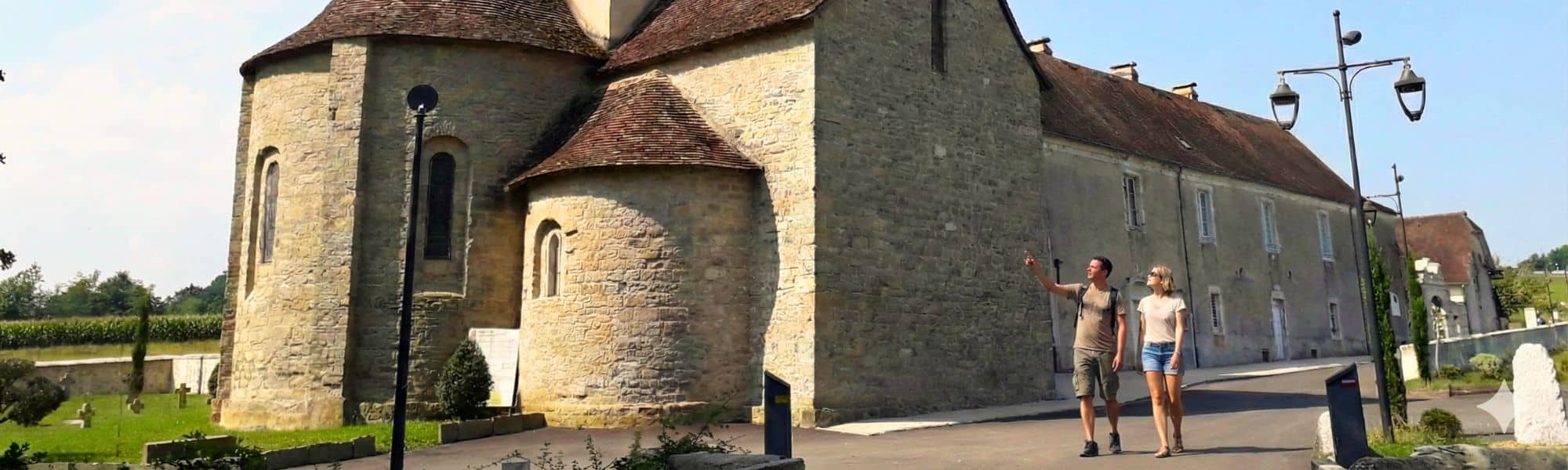
The Heart of Béarn is brimming with authentic villages, each of which tells a story from the past. Bastides and medieval villages, a Cistercian abbey, Romanesque chapels, and rolling landscapes come together to form a cultural and heritage mosaic. Among them, Bellocq, Arthez-de-Béarn, Lucq-de-Béarn, and Sauvelade stand out for their architectural richness and the relaxed lifestyle they offer visitors. Here is a selection from the Tourist Office of must-see villages to discover during your stay in Béarn.
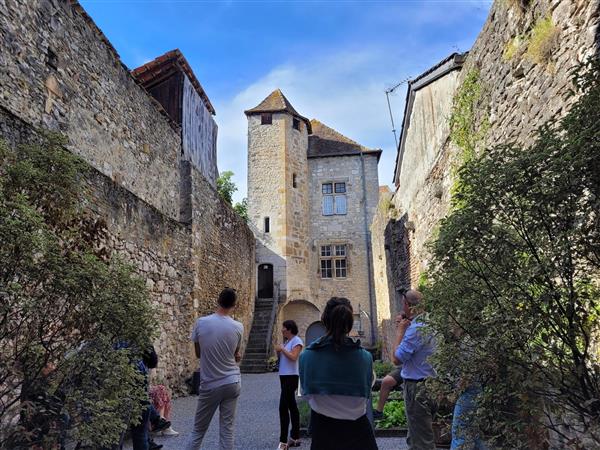
Visitez Orthez : La cité médiévale
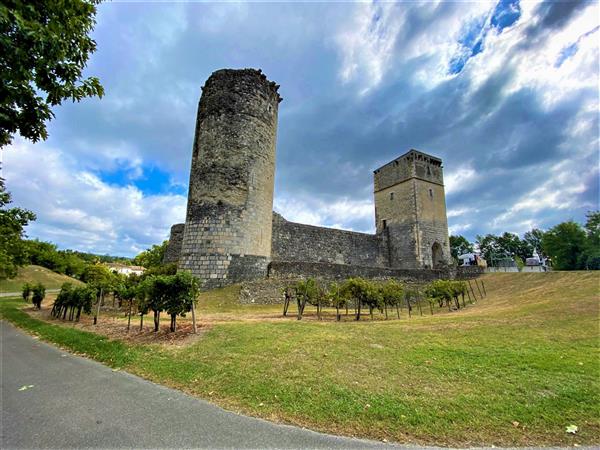
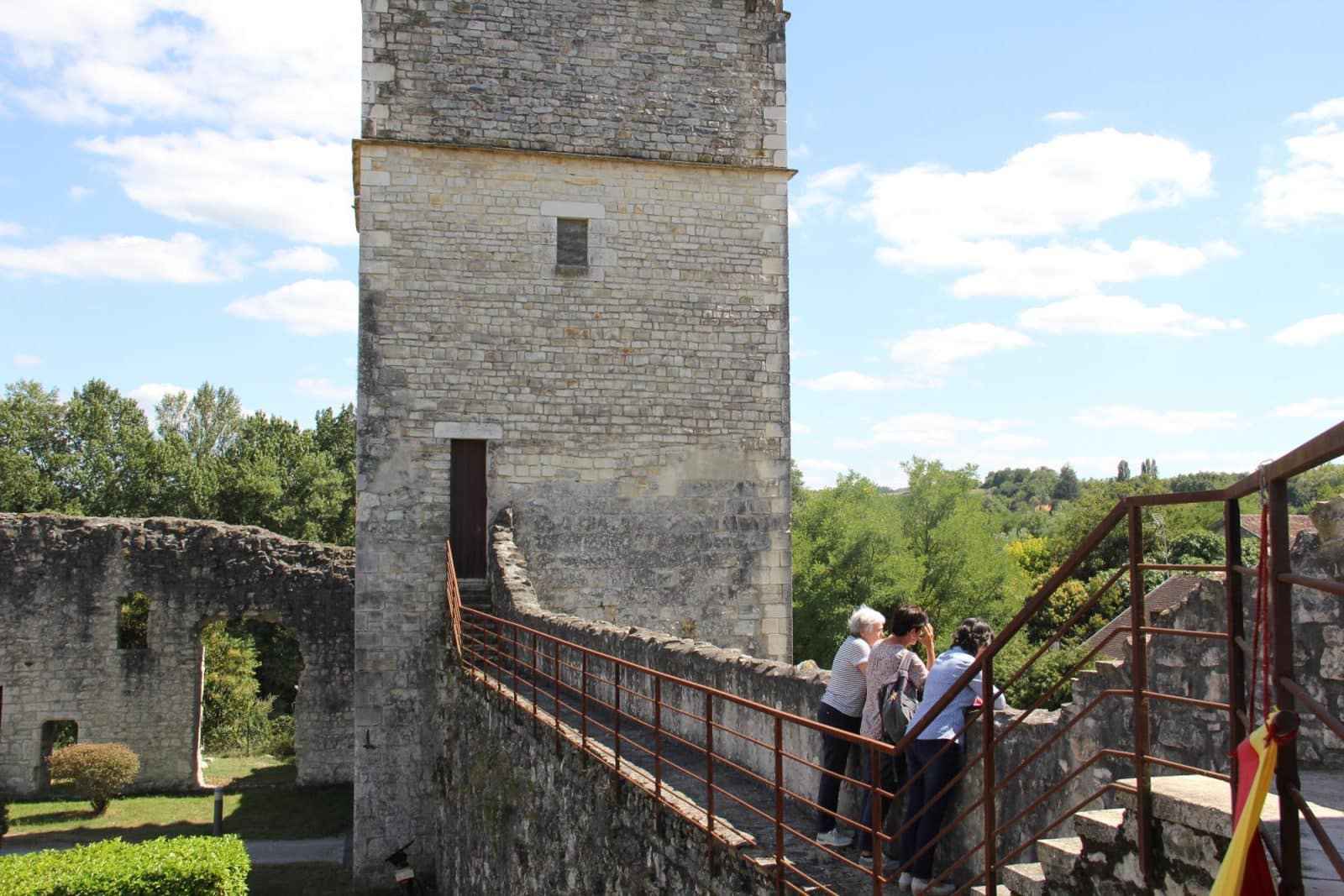
Château et bastide de Bellocq
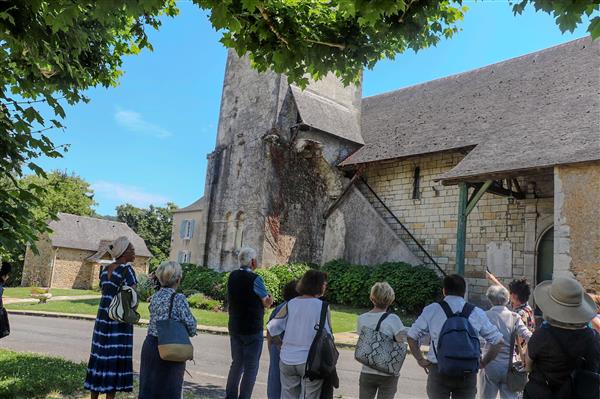
Visitez Lacommande : son histoire et sa Commanderie
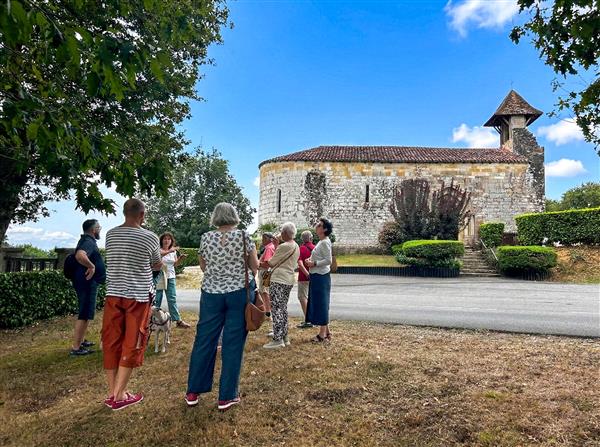
Visitez la chapelle de Caubin d’Arthez de Béarn
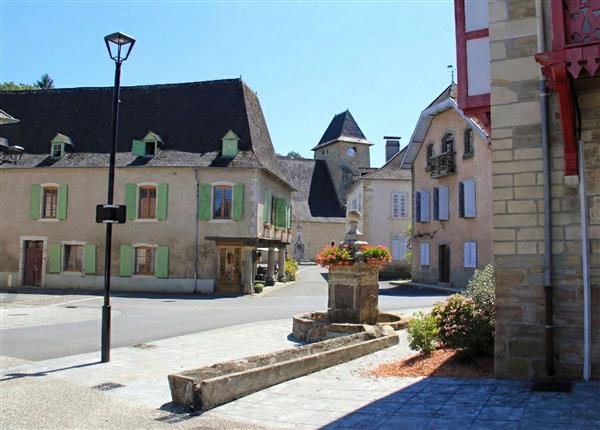
Visitez Lucq de Béarn et l’église Saint Vincent
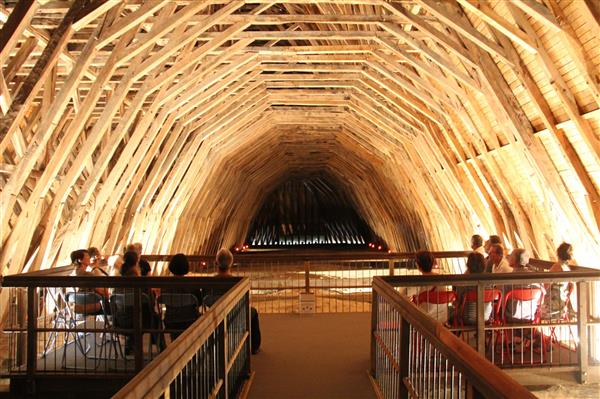
Eglise Saint Girons et sa charpente
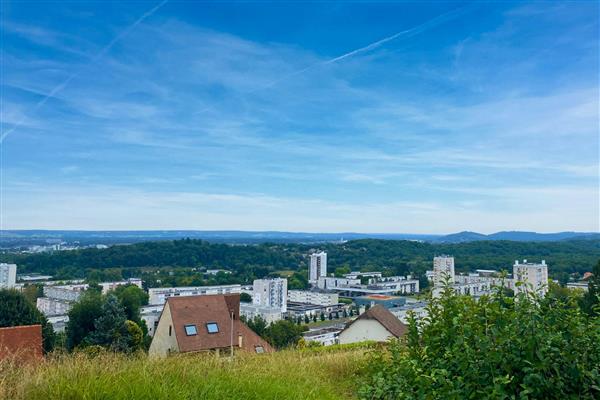
Visitez Mourenx : La nouvelle ville et son histoire
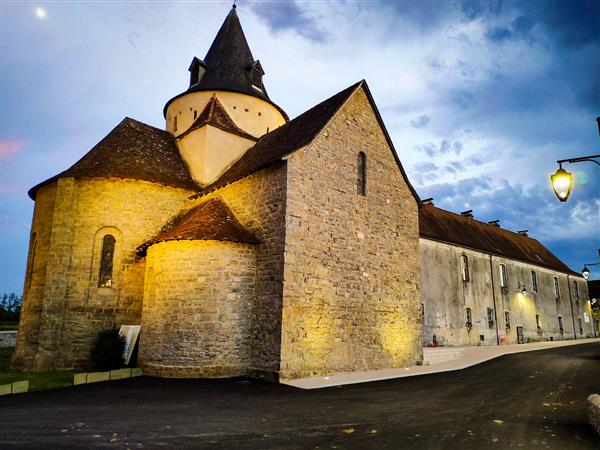
Visitez Sauvelade : L’église St Jacques le Majeur
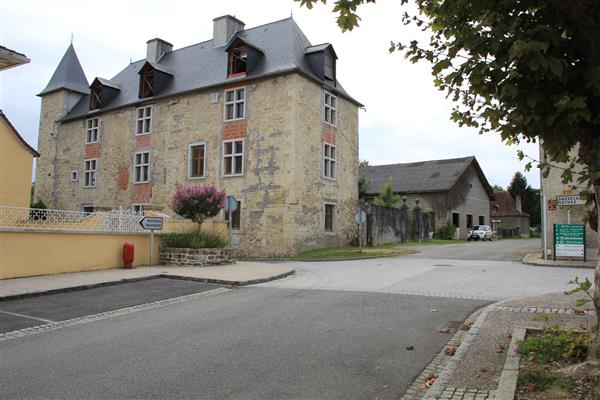
Bastide de Viellesegure
Bellocq, the Fortified Bastide and Its Castle
Founded in the 13th century, Bellocq —the oldest bastide in Béarn—has retained all the charm of a medieval bastide. Overlooking the Gave de Pau, its fortified castle, built under Gaston VII of Béarn, remains one of the major symbols of the region’s defense against Navarre. Its imposing ramparts invite visitors to immerse themselves in the glorious moments of Béarn’s history.
The Tourist Office particularly recommends the village of Bellocq for:
- its grid-like layout, typical of bastides;
- its narrow, straight streets, perfect for a heritage stroll;
- its summer events and guided tours from July through September, which bring medieval life back to life;
- exploring the AOC Béarn-Bellocq vineyards, which bear witness to the bastide’s economic role over the centuries
Arthez-de-Béarn and the Caubin Chapel
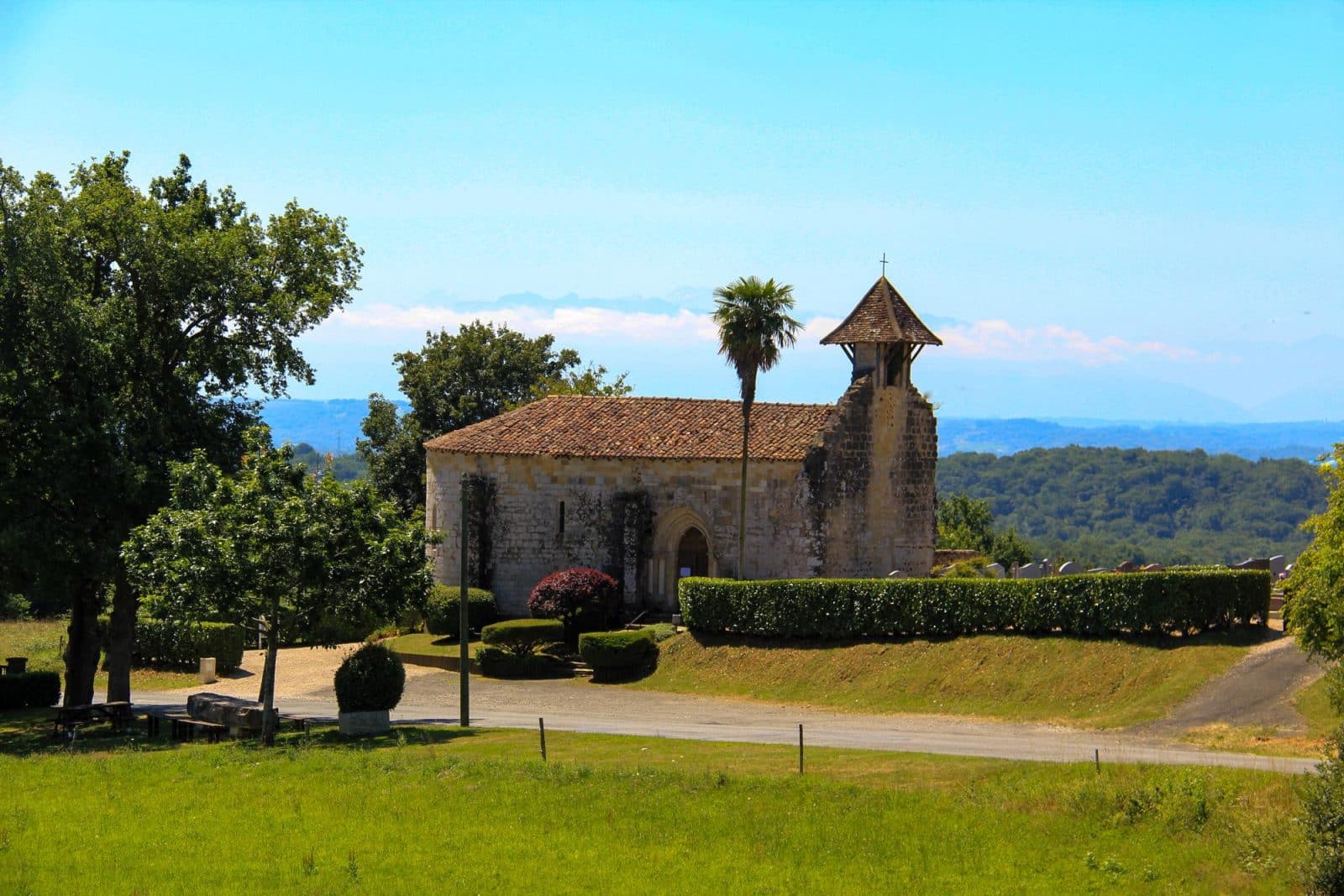
Perched on the hillsides overlooking the valley, Arthez-de-Béarn is home to one of the region’s most precious treasures: the Caubin Chapel, designated a Historic Monument. Built in the 12th century by the Knights Hospitaller of Saint John of Jerusalem, it once welcomed pilgrims on their way to Santiago de Compostela.
The Tourist Office recommends this visit for:
- its remarkable Romanesque architecture;
- the finely carved 14th-century recumbent statue depicting a knight in armor;
- the site’s peaceful, spiritual atmosphere;
- its strong connection to the history of pilgrimage, which is still very much alive today.
This stop is a must for lovers of medieval art and sacred history.
Lucq-de-Béarn and the Church of Saint-Vincent
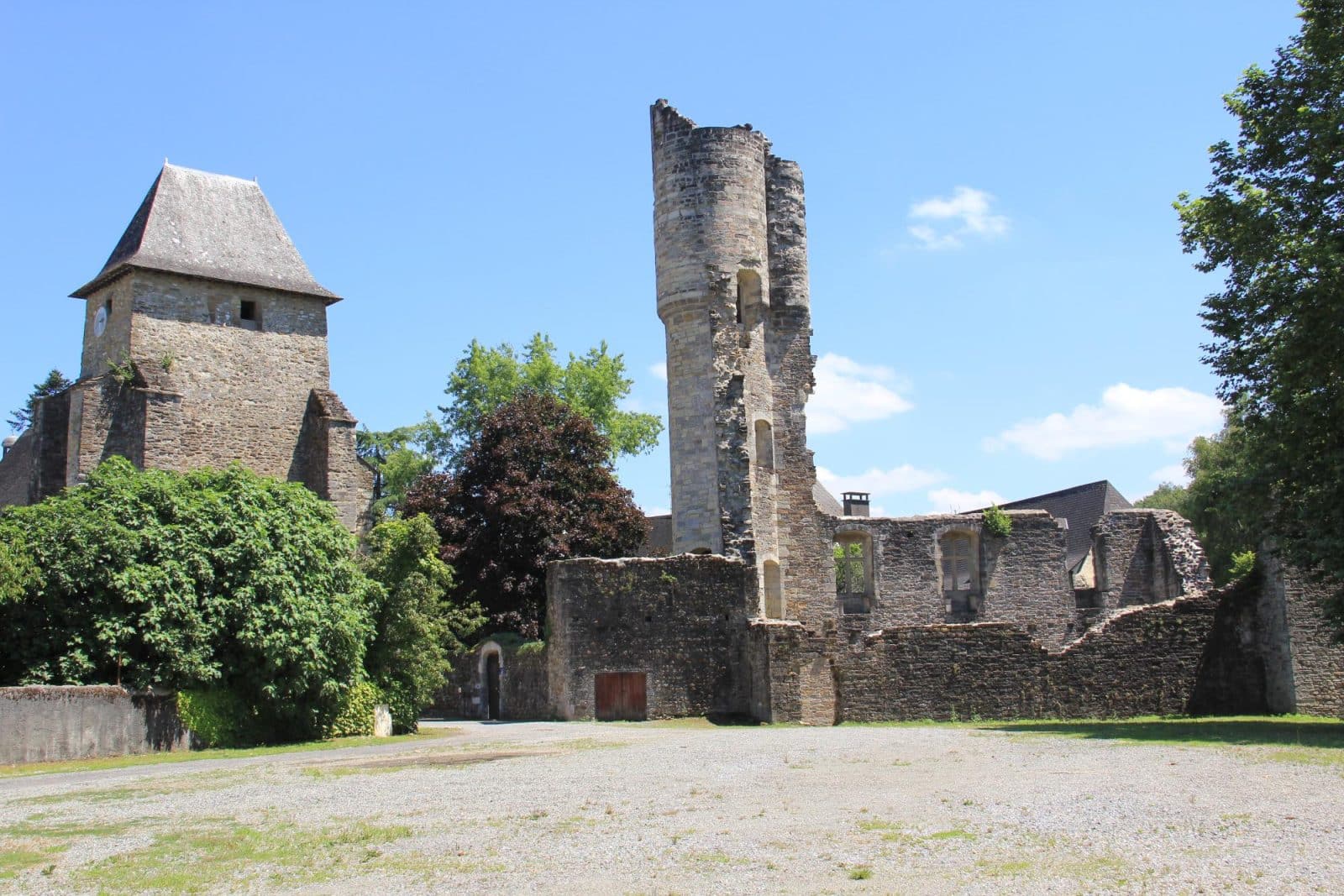
With its traditional houses featuring coyaux roofs, its Genoise-style buildings, and its historic facades, Lucq-de-Béarn charms visitors with its relaxed way of life and its perfectly preserved heritage. In the heart of the village stands the magnificent Saint-Vincent Church, an architectural masterpiece blending Romanesque and Gothic styles.
The Tourist Office recommends a thorough tour of the church, particularly to admire:
- its bell tower porch, its 16th-century gateway, and its basket-handle door;
- its 5th-century sarcophagus, now used as an altar;
- its carved capitals, altarpieces, and paintings from the 17th and 18th centuries;
- its sound-and-light show, which movingly recounts the history of the building.
Nearby, the ruins of the abbey serve as a reminder of the village’s spiritual significance throughout the centuries.
Sauvelade: From Abbey to Church
Sauvelade is a stop on the Way of St. James along the Le Puy route, between Arthez-de-Béarn and Navarrenx.
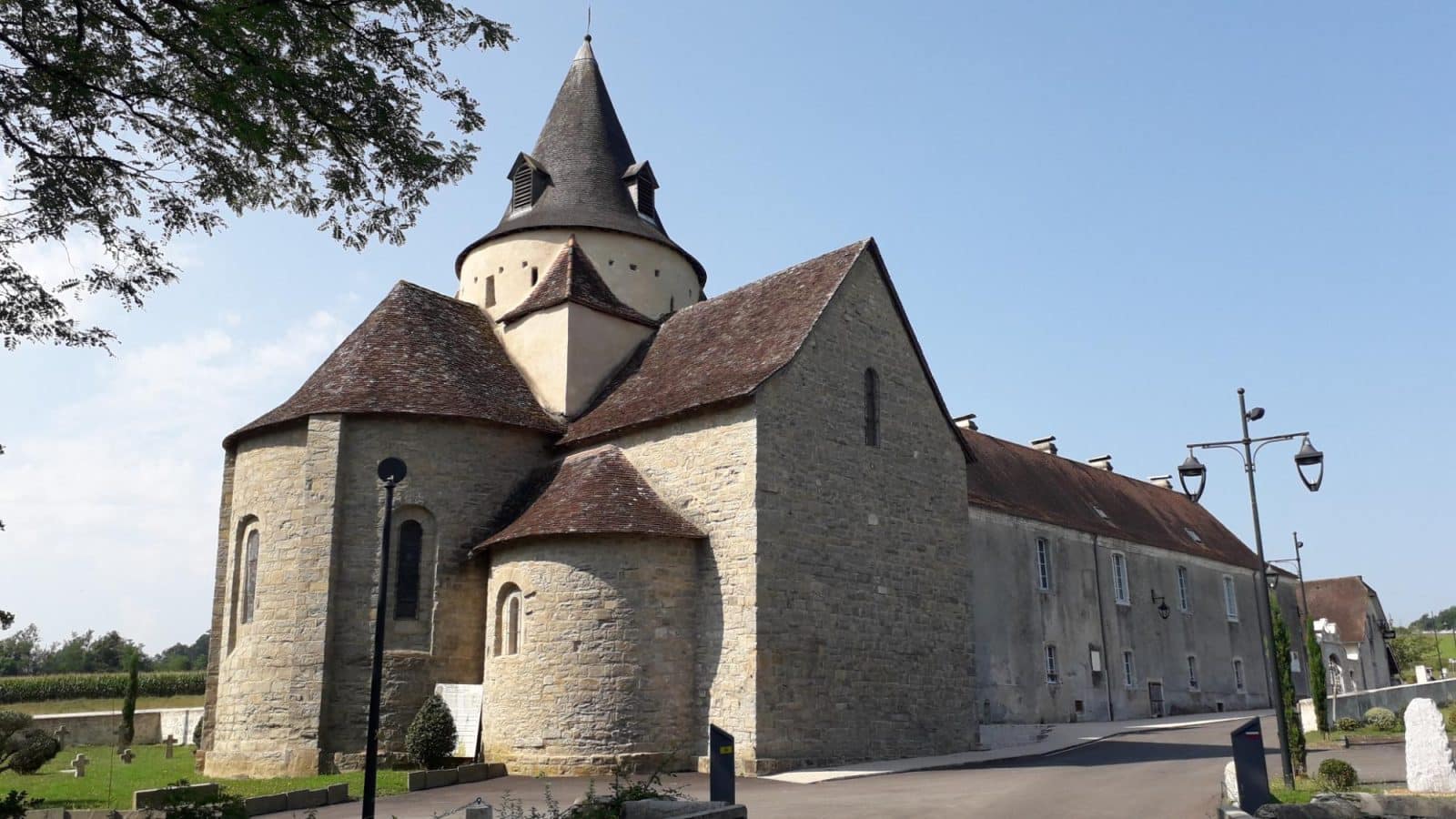
Its abbey, founded in the 12th century thanks to a donation from Gaston IV the Crusader, was affiliated with the Cistercian Order in 1286. A place of spiritual prosperity, it nevertheless began to decline in the 14th century and was subsequently burned down in 1569 during the Wars of Religion.
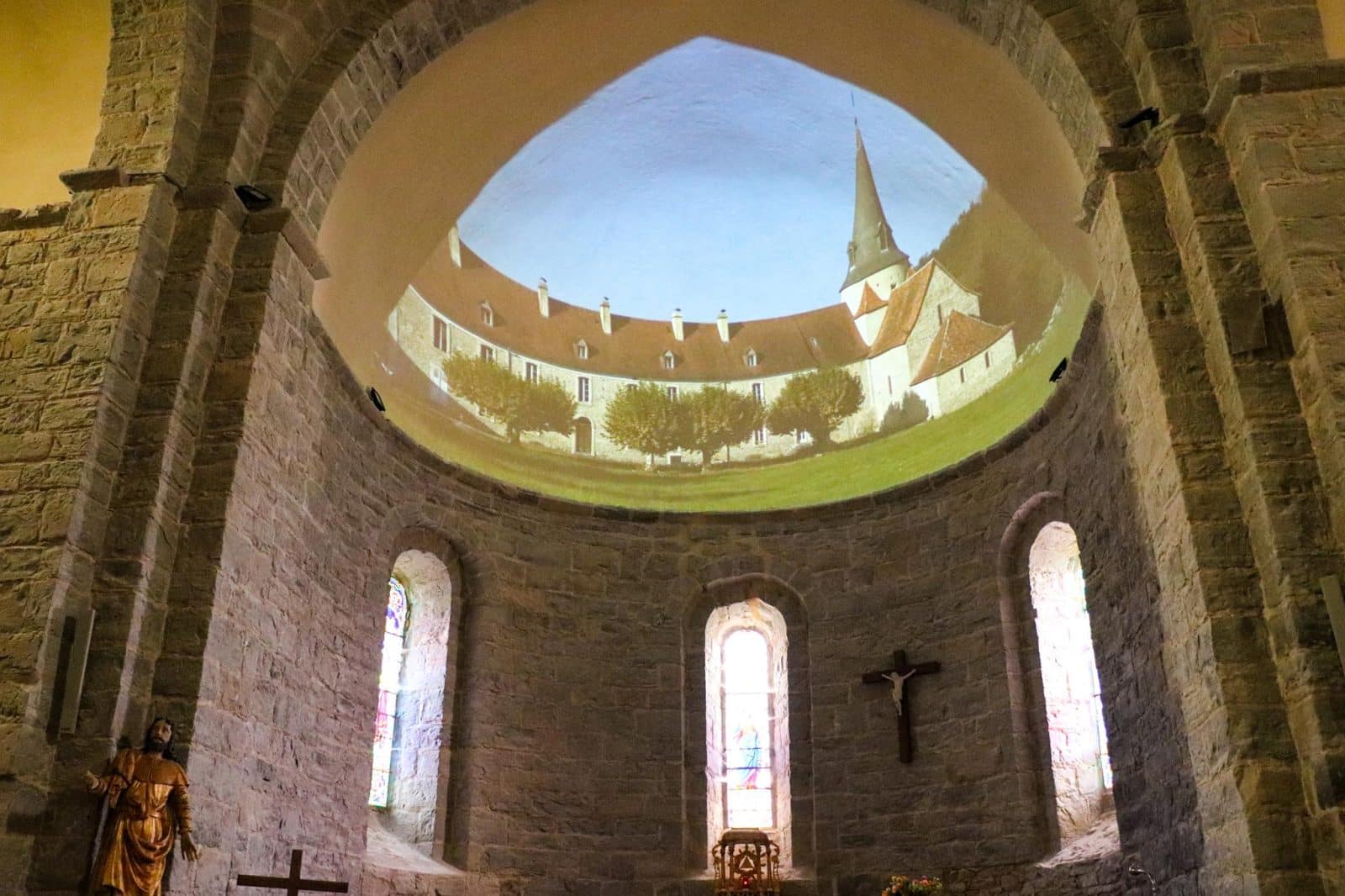
The abbey church, first mentioned in 1287 and designated a Historic Monument, is now the main surviving structure. It is distinguished by its Greek cross plan and dome—unusual in the Béarn region—and by the simplicity characteristic of Cistercian buildings.
Inside, visitors can admire a richly decorated Baroque altar. A striking holy water font made of green Campan marble, featuring an ancient Corinthian capital, intrigues visitors.
Sauvelade appeals to pilgrims as well as those curious about history and architecture.
The Tourist Office recommends visiting:
- its Greek cross plan, rare in Béarn;
- its dome and its Cistercian simplicity;
- its remarkable Campan green marble holy water font, crafted from an ancient capital;
- its finely crafted Baroque altar;
- the sound-and-light show in the dome, featuring Sauvelade and its abbey.
It is a place that is at once spiritual, peaceful, and of great architectural interest.
We recommend
| Visitor Profile | Must-See Village | Why do we recommend it? |
|---|---|---|
Medieval history enthusiasts | Bellocq | Fortified castle, medieval checkerboard layout, defensive heritage, historic atmosphere. |
| Pilgrims and Hikers | Arthez-de-Béarn | Romanesque chapel, exceptional recumbent statue, iconic stop on the Way of St. James. |
| Pilgrims and Hikers | Sauvelade | Cistercian abbey church, spiritual atmosphere, heritage along the route. |
Take a guided tour
To fully discover the richness and secrets of these villages, the Cœur de Béarn Tourist Office strongly recommends that you take part in one of its summer guided tours.
Accompanied by a tour guide, you’ll enjoy:
- an expert perspective on architecture, history, and local anecdotes,
- accessible and engaging explanations,
- an immersive tour suitable for all audiences,
- an authentic experience, far from tourist clichés.
Our guides know every detail of the area and reveal things you wouldn’t see on your own: hidden ruins, ancient customs, architectural features, and surprising historical anecdotes.
Frequently Asked Questions About the Villages of Béarn Worth Exploring
Are the villages open year-round?
Yes, visitors are free to explore the sites from the outside year-round. Guided tours offered by the Tourist Office are available in the summer; for groups, they are available year-round by reservation.
Do I need to make a reservation for guided tours?
Yes, it’s important to make a reservation to participate in a guided tour. You can make a reservation online or at the Tourist Information Office reception desk.
Is it possible to visit several villages in a single day?
You can plan an itinerary to visit as many villages as possible in a single day, keeping in mind the distance of about 50 km between Lucq-de-Béarn and Bellocq.
Can you visit the villages without a car?
No, it’s best to have a car to explore the villages of the Coeur de Béarn. There is no bus service that goes from village to village.
Can we visit the churches and chapels freely?
Yes, the churches and chapels are open to the public, so you can visit them freely.